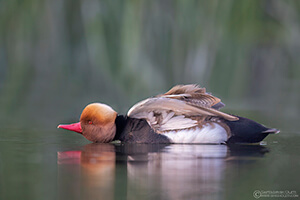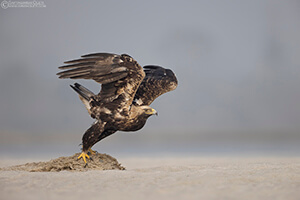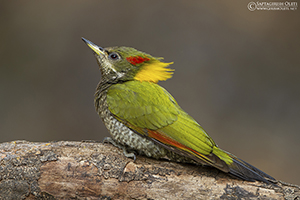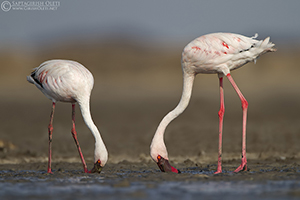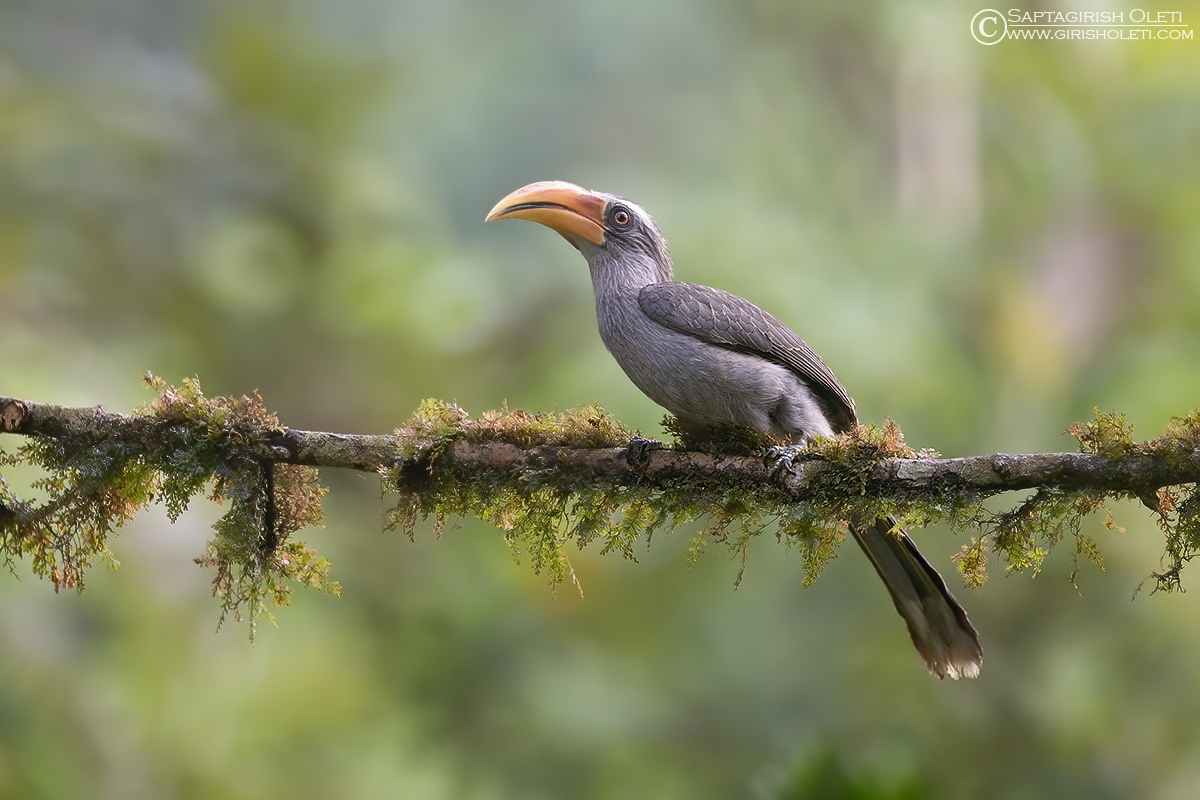
My interest in photography began with ordinary family moments, but birds are what drew me seriously into the natural world. What started with familiar species around Bangalore gradually became years of early mornings, long drives and journeys across forests, wetlands, grasslands and coastlines.
Bird photography has changed the way I experience a place. I now notice the call before the bird, movement inside a dark canopy, the direction of the wind and the way the light falls on a particular perch. The photograph lasts a fraction of a second; observing and anticipating it often takes much longer.
Notes From the Field
Most of what I have learned has come from being outside with the camera.
The wetlands around Bangalore taught me to work with changing light and unpredictable backgrounds. Coorg and Munnar taught me the difficulty of finding small birds inside dense foliage. At Sattal, a quiet patch of forest could suddenly come alive with a mixed flock and become silent again within minutes. In the open landscapes of Bhigwan and Nalsarovar, the challenge was often distance, heat and waiting for a bird to move into the right position.
Every habitat asks for a different kind of patience. There are mornings when birds appear everywhere and mornings when I barely make a photograph. Both are part of the experience.
Learning to Read Behaviour
A sharp portrait is satisfying, but behaviour is what makes me stay with a bird.
A kingfisher repeatedly returning to the same perch, a harrier flying lower with every pass, bee-eaters gathering before settling for the evening or a small forest bird pausing briefly before entering the undergrowth — these patterns often reveal what may happen next.
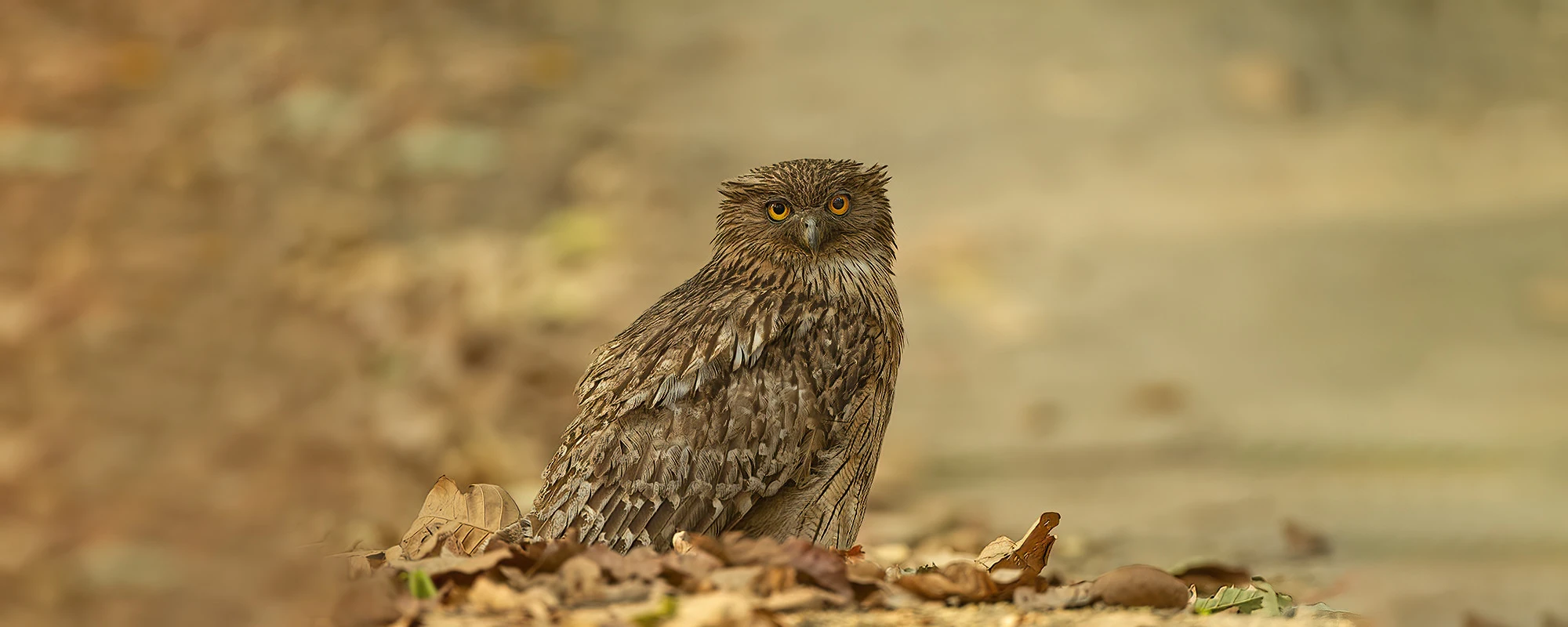
Anticipating that next movement has become more important to me than reacting after it begins. The difference between an ordinary frame and a memorable one is frequently just a second of observation.
The Birds Close to Home
Some of my most useful photography sessions have involved birds that people rarely travel to see.
Bulbuls, sunbirds, lapwings, egrets, parakeets, bee-eaters and kingfishers have given me countless opportunities to practise. Because they are familiar, there is less pressure to return with a photograph. I can experiment with exposure, backgrounds, low angles and flight shots — and come back another day when it does not work.
Common birds built much of my photography. They continue to remind me that a strong image does not require a rare subject. It requires light, behaviour, patience and a little luck.
Giving the Bird Room
In my early years, I often tried to fill the frame with the bird. Over time, I began paying greater attention to everything around it.
A bird belongs to its habitat. Reeds bending around a bittern, mist behind a Himalayan flycatcher, open sky around a raptor or the quiet expanse of a wetland can be as important as feather detail.
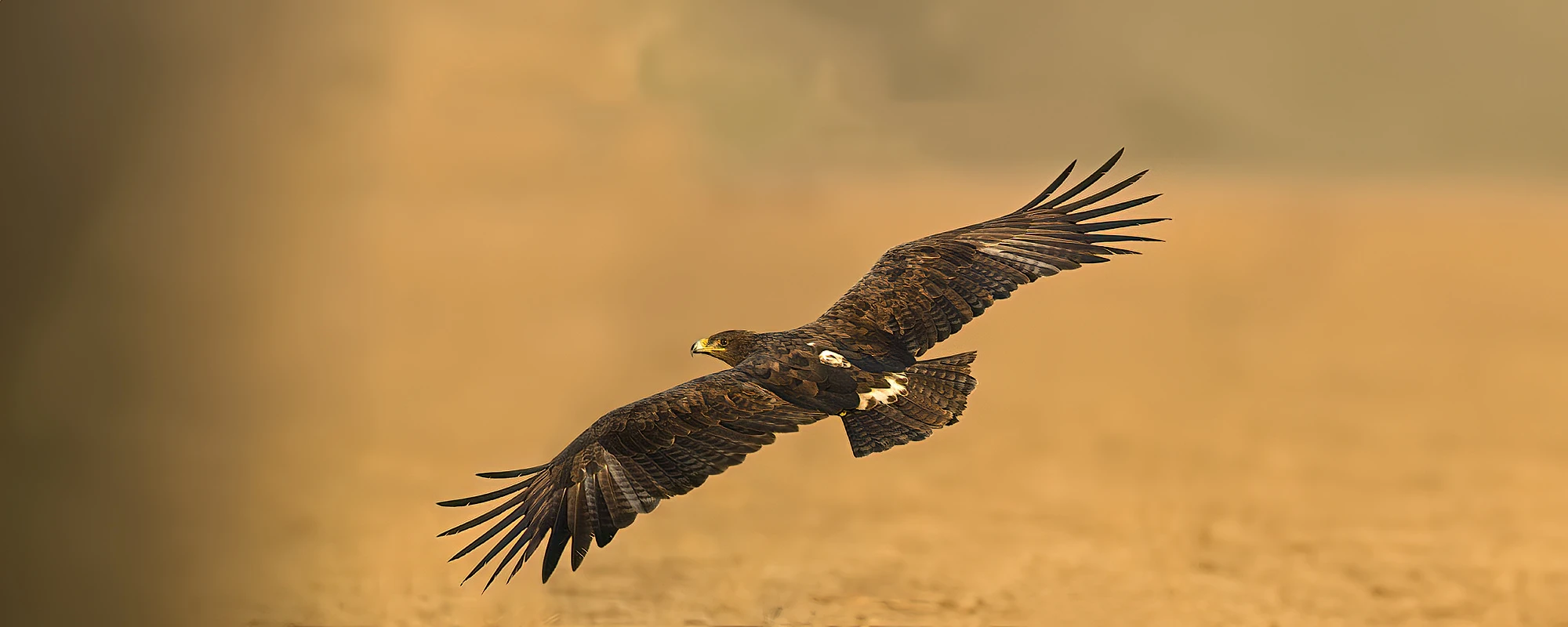
I still enjoy close portraits, but I now look for photographs that reveal something about where the bird lives and how it moves through that space. Sometimes stepping back creates a more complete story.
Ethics Before the Photograph
No photograph is important enough to distress a bird.
I avoid approaching active nests, repeatedly flushing a resting bird or pushing a shy species after it has shown signs of discomfort. Migrants, nesting birds and nocturnal species can be particularly vulnerable to disturbance.
Field ethics are not separate from photography; they are part of it. The most satisfying encounters are those in which the bird continues behaving naturally, apparently unconcerned by my presence.
There are moments when moving closer might produce a stronger frame. Learning when not to take that step has been one of the more important lessons of my journey.
Why I Keep Returning to Birds
Birds never follow the photographer's plan.
They turn away when the light becomes perfect, disappear just as focus locks and take flight a moment before the shutter is pressed. Then, occasionally, everything aligns: the bird, the behaviour, the background and the light.
That brief alignment cannot be demanded or recreated. It has to be recognised when it arrives. I keep returning for those few seconds — and for everything I learn while waiting for them.
Photography Begins Before the Trip
Travelling to a distant location may bring a new species, but preparation happens much closer to home.
Regular practice with familiar birds keeps me ready for encounters that may not offer a second chance. It helps me understand how quickly I can change settings, follow an erratic flight path or maintain focus as a bird moves between light and shadow.
The rare sighting may become the photograph people remember. The ability to make that photograph is usually built during many ordinary mornings when nothing rare appeared.