
I did not begin with a plan to become a wildlife photographer. Photography entered my life through family moments — pictures of my children, everyday occasions and memories I wanted to preserve. Somewhere along the way, I discovered wildlife photography and became curious about what it took to make those images.
That curiosity first led me to birds around Bangalore. Familiar lakes, roadside perches and short weekend outings became my training ground. Over time, those mornings grew into longer journeys across forests, wetlands, grasslands and coastlines in India — and eventually into wildlife experiences beyond India as well.
I still think of myself as someone learning in the field. Every trip changes a little of how I observe, wait and photograph.
Notes From the Field
Wildlife photography happens alongside a demanding professional life in technology. Most trips begin by finding a few free days, studying a location, packing far more equipment than I probably need and leaving home long before sunrise.
That makes my time in the field especially valuable. I may spend weeks planning a journey and return with only a handful of photographs that truly matter to me. I have learned not to measure a trip by the number of images made. Sometimes the lasting memory is a tiger appearing briefly through bamboo, an elephant herd disappearing into its own dust or a bird seen clearly for only a few seconds.
The uncertainty is part of why I continue doing it.
How Birds Shaped My Photography
Birds were my real introduction to wildlife photography.
They taught me to notice small things: a call coming from the wrong side of the trail, movement inside a dark canopy, a raptor changing the behaviour of every smaller bird below it, or a kingfisher returning repeatedly to the same branch.

They also taught me humility. Birds rarely wait while settings are corrected. They turn away from the light, move behind a leaf or leave the frame a fraction of a second too early.
Years of photographing them have made me more observant, but not necessarily more successful on every outing. There are still mornings when I miss almost everything. The difference is that I now understand those mornings are part of the process.
From Familiar Wetlands to Distant Landscapes
Much of my photography was built close to home. The wetlands and open spaces around Bangalore allowed me to return repeatedly, learn from familiar species and practise without the pressure of a rare sighting.
Travel gradually widened that experience. Dense forests in the Western Ghats demanded patience with low light and obstructed views. The open landscapes of the Rann and Nalsarovar required a different understanding of distance and heat. Tadoba brought the tension of searching for a tiger in a forest where visibility can change at every bend.

Masai Mara felt different again. The scale of the landscape, the concentration of animals and the constant movement were extraordinary. Yet even there, the photographs I valued most were not always the most dramatic ones. Often, they were quieter moments — an elephant calf protected within the herd, an animal pausing in beautiful light or a subject placed naturally within the vast landscape.
Each place has influenced the way I photograph, but none has made the process predictable.
What I Look for in a Frame
When I started, I was mainly interested in getting close and filling the frame. A detailed portrait felt like the goal.
I still enjoy portraits, but today I pay much more attention to behaviour, light, background and habitat. I want the photograph to show something beyond the appearance of the animal — how it moves, where it lives, what it was responding to or how small it seemed within the landscape.
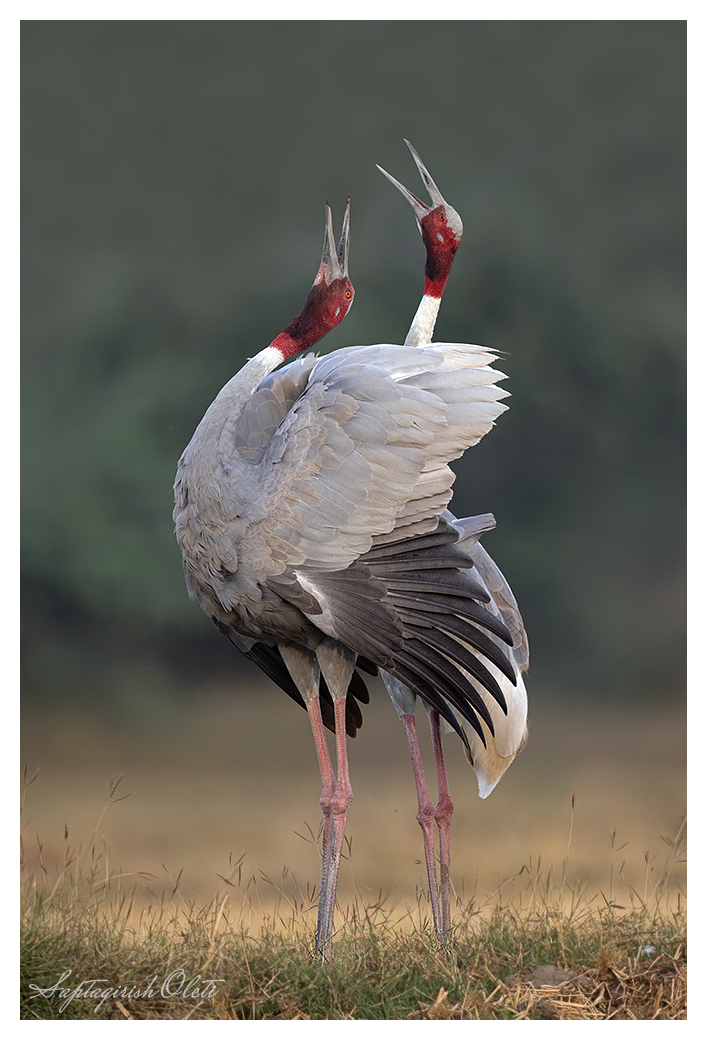
A technically perfect image does not always become a memorable one. Sometimes the frame that stays with me contains imperfect light, a partially hidden subject or more empty space than expected. What matters is whether it carries the feeling of the encounter.
I prefer photographs that look observed rather than arranged.
The Reality Behind the Photographs
A portfolio naturally shows the successful frames. It does not show the many empty tracks, missed focus points, blocked views and animals that left before the camera was ready.
It does not show the alarm set for three in the morning, the hours spent holding a heavy lens, the midday light that makes photography almost pointless or the long drive back after a quiet day.
There are also moments when I see the photograph developing and still fail to capture it. The subject moves too quickly, the camera focuses on the background or I simply react a second too late.
Those failures used to frustrate me. They still do, but less than before. They have become part of how I learn. Wildlife photography offers very few second takes, which is precisely why the successful moments feel so rewarding.
Respecting the Subject
My responsibility is to photograph wildlife without making the animal pay for the image.
That means keeping a respectful distance, avoiding pressure on nervous subjects and stepping back when an animal changes its behaviour because of my presence. A nesting bird, an exhausted migrant or an animal caring for its young deserves more consideration, not more attention.
The temptation to move closer is always present, particularly when the light and setting are right. Learning when not to take that step has been as important as learning camera technique.
The most satisfying encounters are the ones in which the animal continues behaving naturally. The resulting photograph may not always be the closest or most dramatic frame, but it is an honest one.
Why I Built This Website
Social media is useful for sharing individual photographs, but wildlife stories rarely fit comfortably into a fast-moving feed.
I wanted this website to be a more permanent and organised home for my work — a place where photographs could remain connected to their species, location, habitat and the journey during which they were made.
The portfolio is not a record of every animal I have seen or every trip I have taken. It is a slowly growing selection of encounters that meant something to me. Some are rare species; many are not. Some were made on distant journeys, while others were photographed only a short distance from home.
Together, they reflect how my photography has evolved and how much of the natural world I still have left to understand.
Still Learning
Wildlife photography has made me more patient, more observant and more comfortable with uncertainty.
It has also shown me how little control a photographer really has. I can choose the location, study the subject, prepare the equipment and arrive before the light. After that, the landscape and its wildlife decide what happens.
That is what keeps the experience fresh. No matter how familiar the place or species may be, the next encounter can unfold completely differently.
I continue to return with the same hope I had during my earliest outings: that for one brief moment, light, behaviour and timing will come together — and that I will be ready when they do.