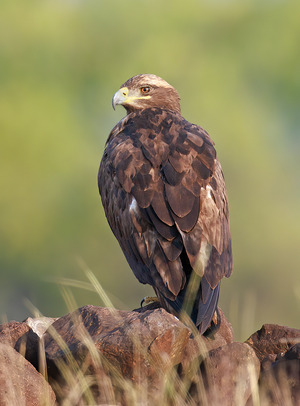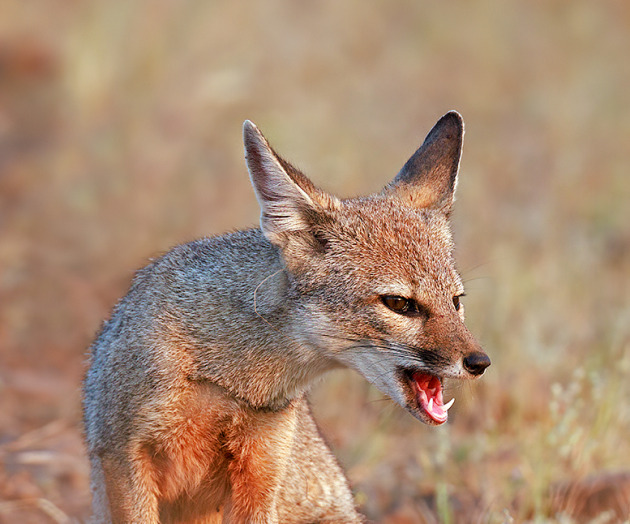
India is where most of my journey as a wildlife photographer has unfolded. From the rain-soaked forests of the Western Ghats to open grasslands, quiet wetlands and dusty jungle tracks, every landscape has taught me to observe a little more patiently and photograph a little more thoughtfully.
I do not enter the forest expecting it to perform for my camera. Some days offer extraordinary encounters. On others, I return with very few photographs — but with a better understanding of the place, its rhythms and the animals that live there. That uncertainty is what continues to draw me back.
A Journey That Grew Slowly
Photography began for me as a way of preserving family memories. Wildlife entered the frame later and gradually became a serious passion.
Birds were my first real teachers. They made me understand the importance of light, anticipation and behaviour. A bird may remain still for several minutes and then, without warning, stretch its wings, dive for prey or disappear into the foliage. Being ready for that brief moment requires much more than simply pointing a camera.
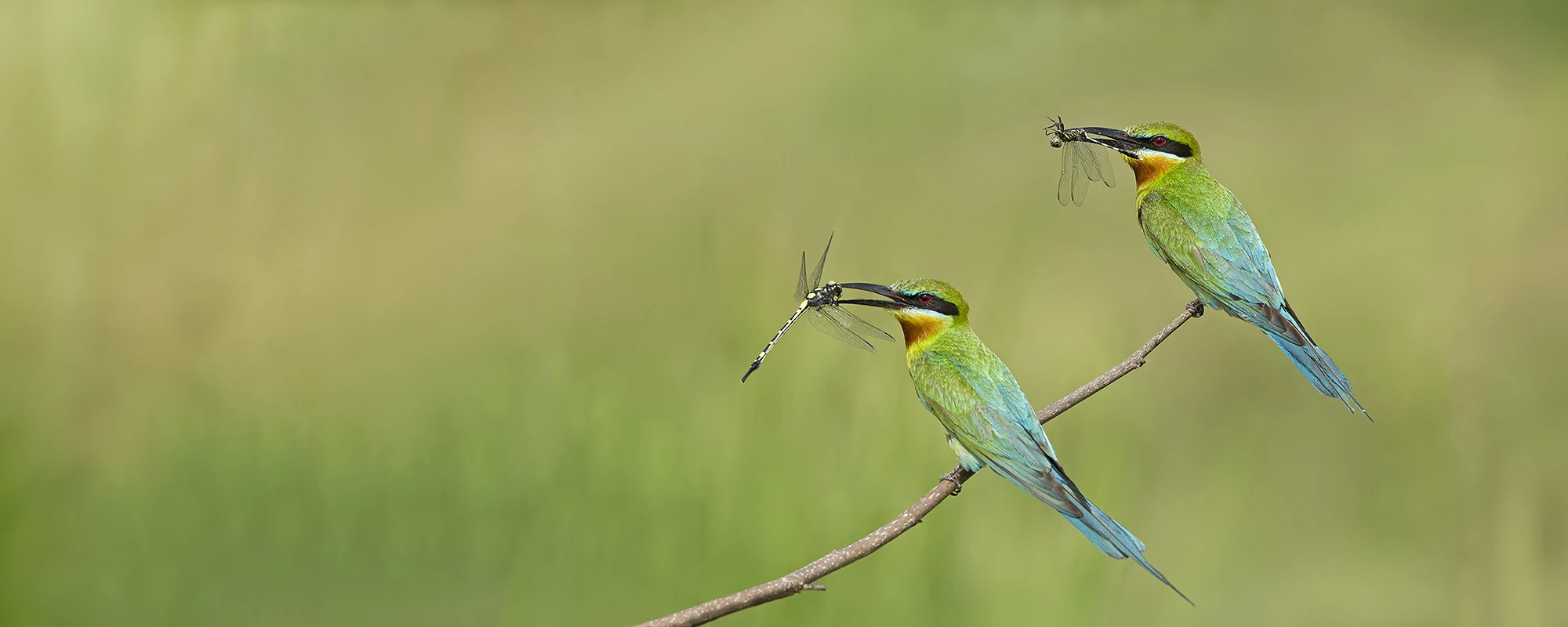
Over the years, those early outings grew into journeys across different parts of India. Each trip added not only new species to my collection, but also new experiences — the long waits, missed opportunities, unexpected sightings and occasional moments when everything came together perfectly.
India's Many Wild Landscapes
Wildlife photography in India is remarkably varied. A morning in a dense forest feels completely different from a day spent on an exposed salt flat or beside a crowded wetland.
In the Western Ghats, visibility can be limited to a few metres. Birds are often heard long before they are seen, and photography becomes a patient search through layers of leaves, mist and shadow.
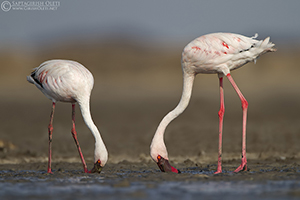
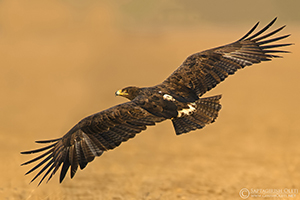
The open landscapes of western India demand a different approach. At places such as the Little Rann of Kutch and Nalsarovar, the horizon feels endless. Raptors, cranes, flamingos and desert specialists appear against vast skies, and the challenge becomes one of distance, heat and changing light.
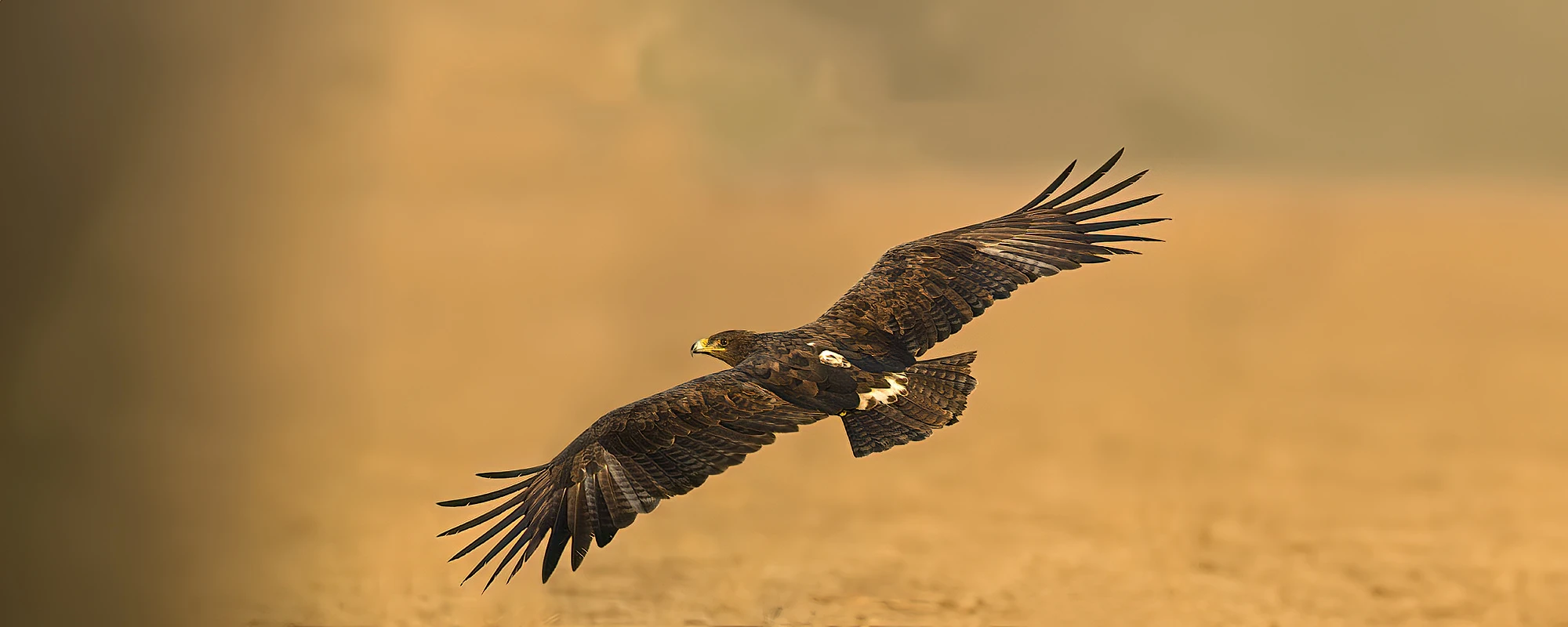
Wetlands offer yet another rhythm. They may appear calm at first, but careful observation reveals constant activity — waders feeding along the edges, kingfishers watching from low perches, ducks moving through reeds and raptors scanning everything from above.
Birds Remain at the Heart of My Photography
Although I enjoy photographing mammals and other wildlife, birds continue to occupy a special place in my work.
It is not always the rarest bird that creates the strongest image. A familiar species in beautiful light, displaying natural behaviour or briefly revealing its character can be far more memorable. I still feel the same excitement when a bird settles on the right perch or flies through a clean background at exactly the right moment.
My aim is not merely to record that a species was present. I try to create photographs that convey something about the bird — its alertness, strength, delicacy, movement or relationship with its habitat.
What the Photographs Do Not Show
A wildlife photograph may capture a fraction of a second, but the experience behind it is often much longer.
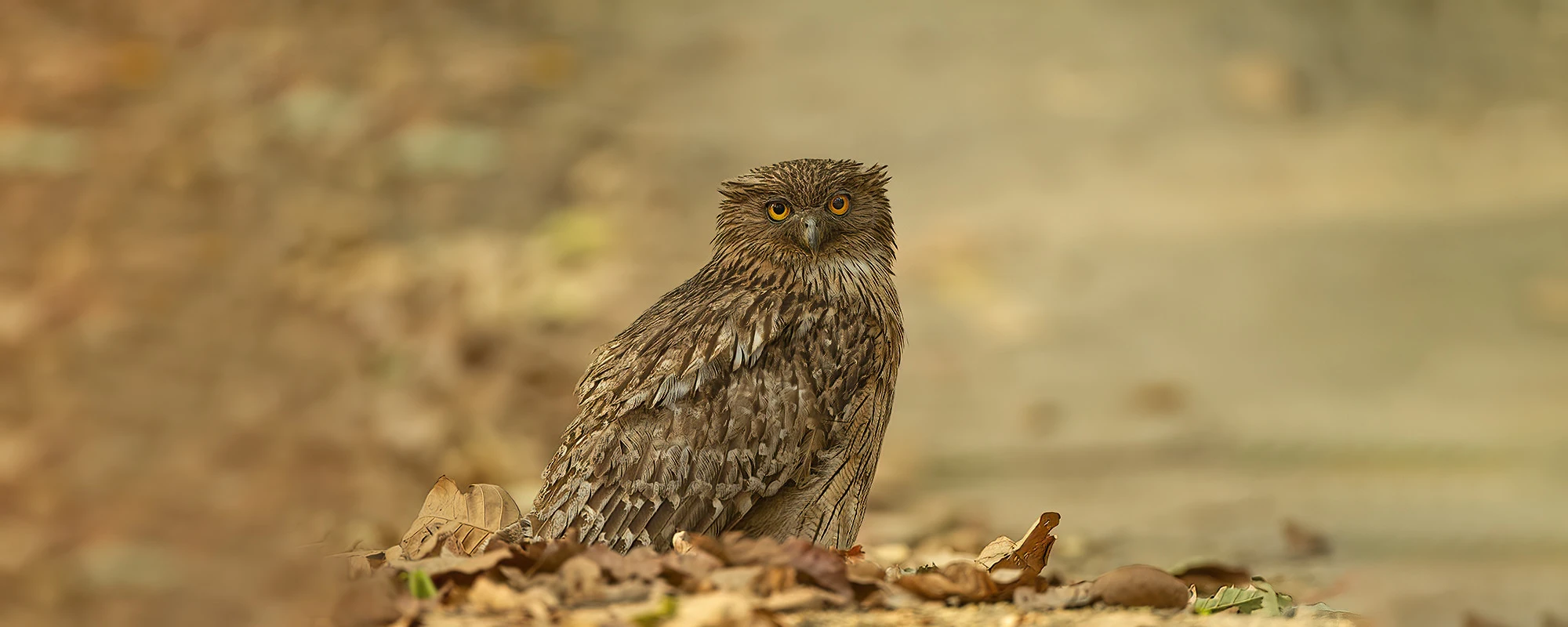
It can begin before sunrise, travelling in darkness and listening for the first calls of the morning. It may involve carrying heavy equipment, waiting in uncomfortable positions or watching an empty branch for hours. There are missed focus points, obstructing leaves, sudden changes in light and countless moments that disappear before the camera is ready.
There are also days when the forest remains quiet. I have learned to value those days as well. Wildlife photography has made me more comfortable with waiting, more attentive to small changes and more appreciative of moments that cannot be planned.
The most rewarding photographs are not always the result of a dramatic sighting. Often, they come from recognising a simple moment before it disappears.
Photographing Without Disturbing
For me, the welfare of the subject must always come before the photograph.
Wild animals do not exist for our cameras. I prefer to observe their behaviour, maintain a respectful distance and allow an encounter to unfold naturally. A photograph feels far more meaningful when it reflects a genuine moment rather than one created by disturbing or pressuring the animal.
The longer I spend in the field, the more I realise that wildlife photography is not only about collecting images. It is also about developing respect for habitats, understanding how vulnerable many species are and recognising our responsibility when entering their world.
An Ongoing Journey
There are still many Indian landscapes I hope to explore and countless species I have yet to photograph. Even in places I have visited repeatedly, no two mornings are ever quite the same.
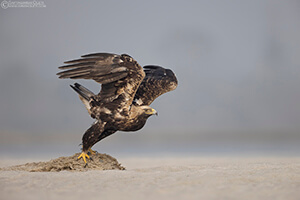
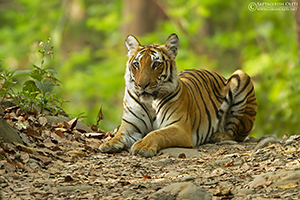
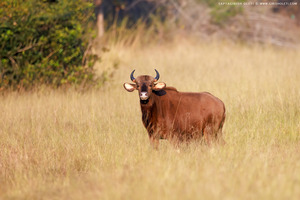
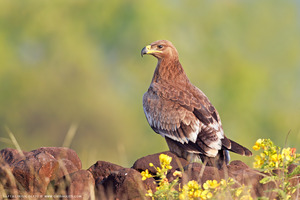
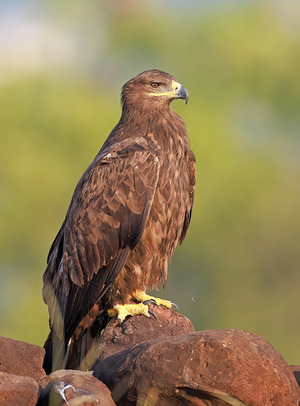
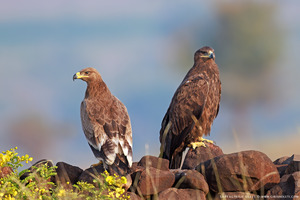
This collection brings together moments from that continuing journey — birds in flight, predators at rest, fleeting behaviour, quiet portraits and the landscapes that make each encounter possible.
They are not simply photographs of wildlife in India. They are memories of time spent waiting, watching and learning in the wild.