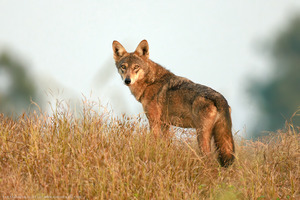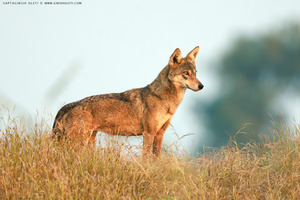
The winter mornings at Bhigwan were cold, and most of our time was spent watching the open grassland. I had come mainly for raptors, especially the harriers and eagles that use this area. Instead, one of the first animals we found was an Indian wolf moving through the wet grass at first light. I hadn't expected the trip to start that way.
The wolf at first light
The wolf stayed in the open long enough for us to watch it properly. Its upright ears and long legs were easy to pick out once it moved above the low grass. It paused, looked around and then continued across the ground. There was no long build-up to the sighting. It was simply there.
A wolf creates a different sort of pressure when the camera is in your hands. I wanted to work quickly, but I also didn't want to spend the whole sighting looking through the viewfinder. Bhigwan's open ground helped while the animal was above the grass, though there was little chance of following it once it moved farther away. The encounter was short, and it was what everyone talked about afterward.
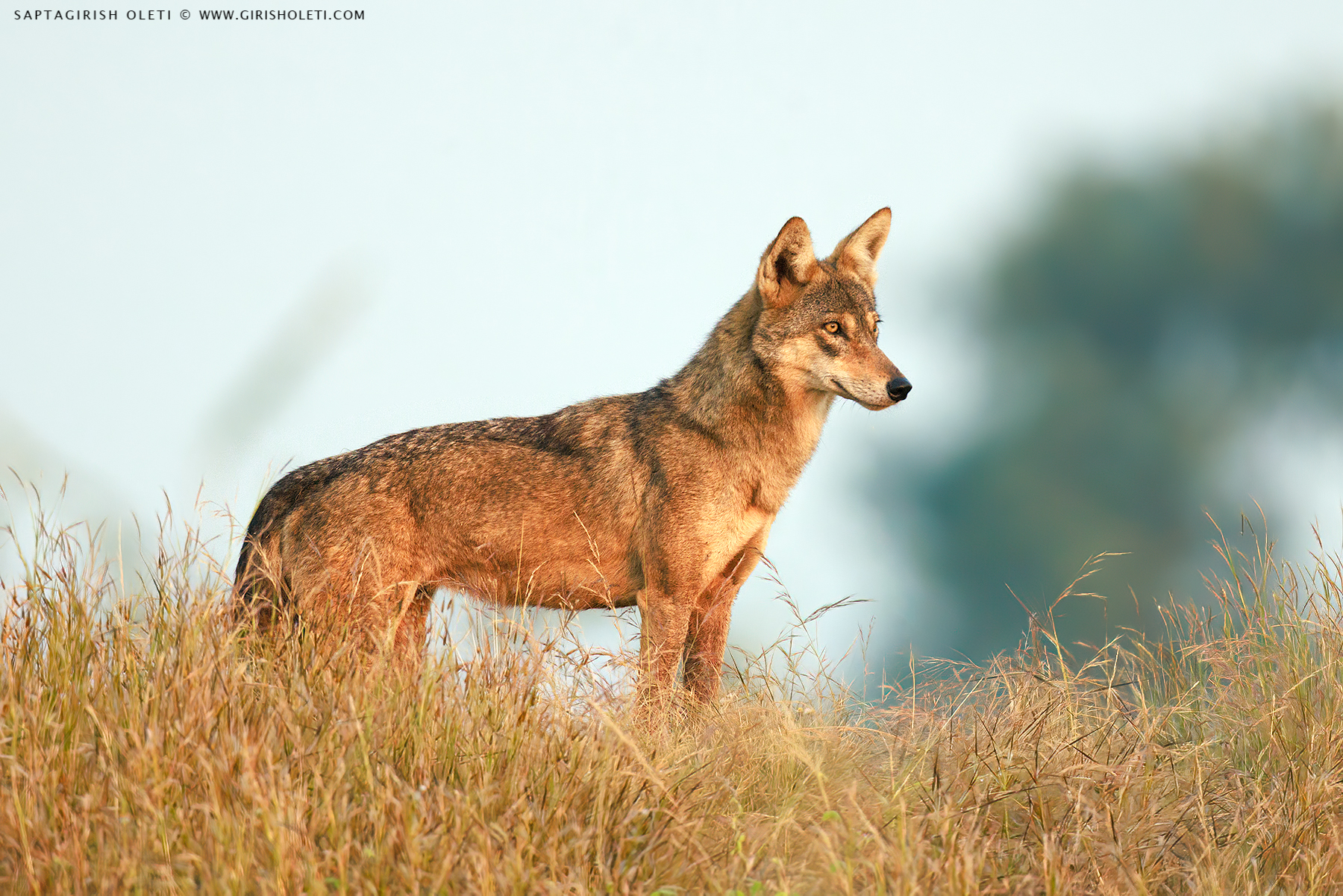
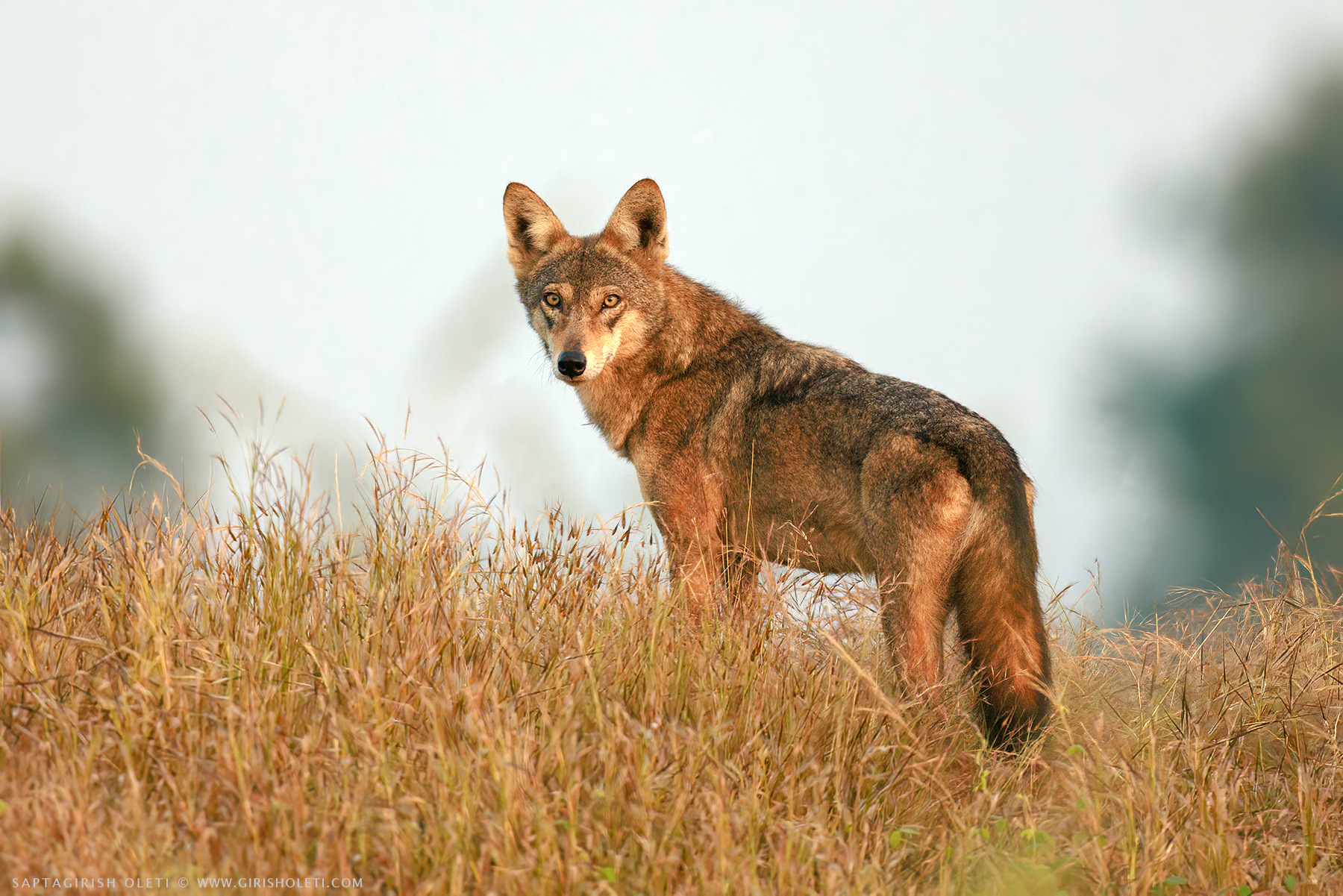
Once the wolf carried on, we went back to the birds we had originally come to find. That felt slightly ordinary after such a start, but there was no point pretending the raptors would wait for us. The grassland was still the main job. We kept scanning the rocky patches and open ground.
Eagles on the rocks
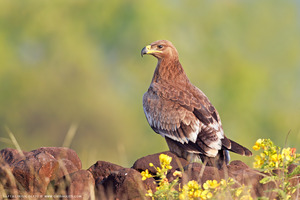
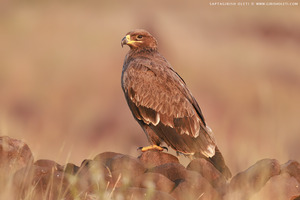
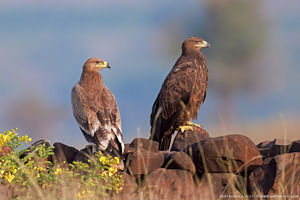
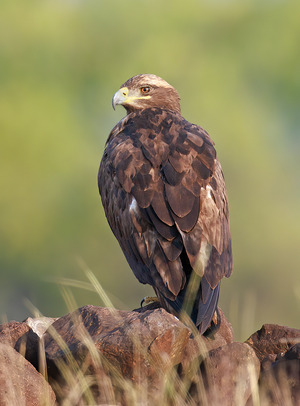
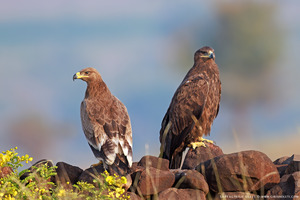
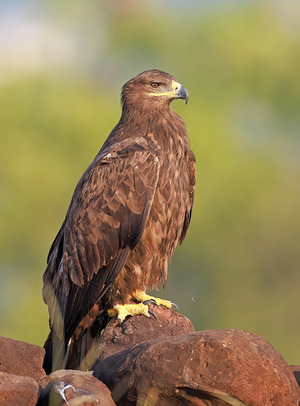
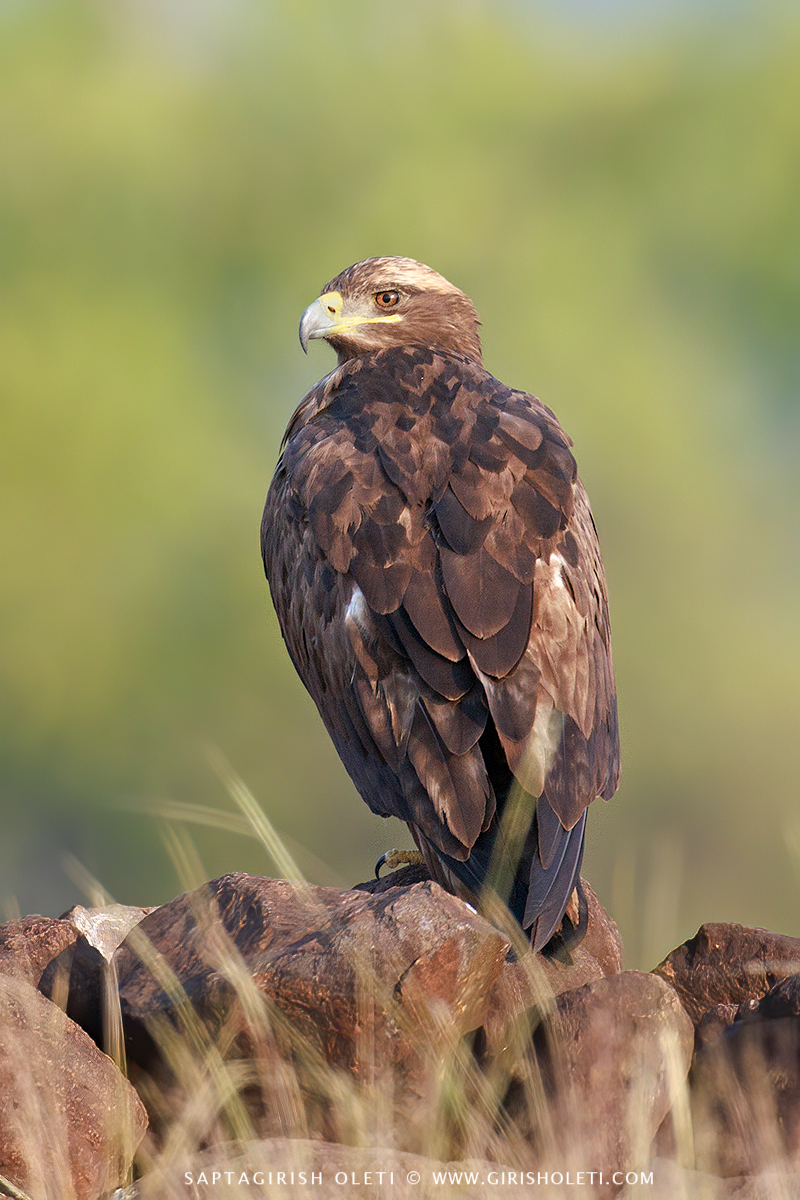
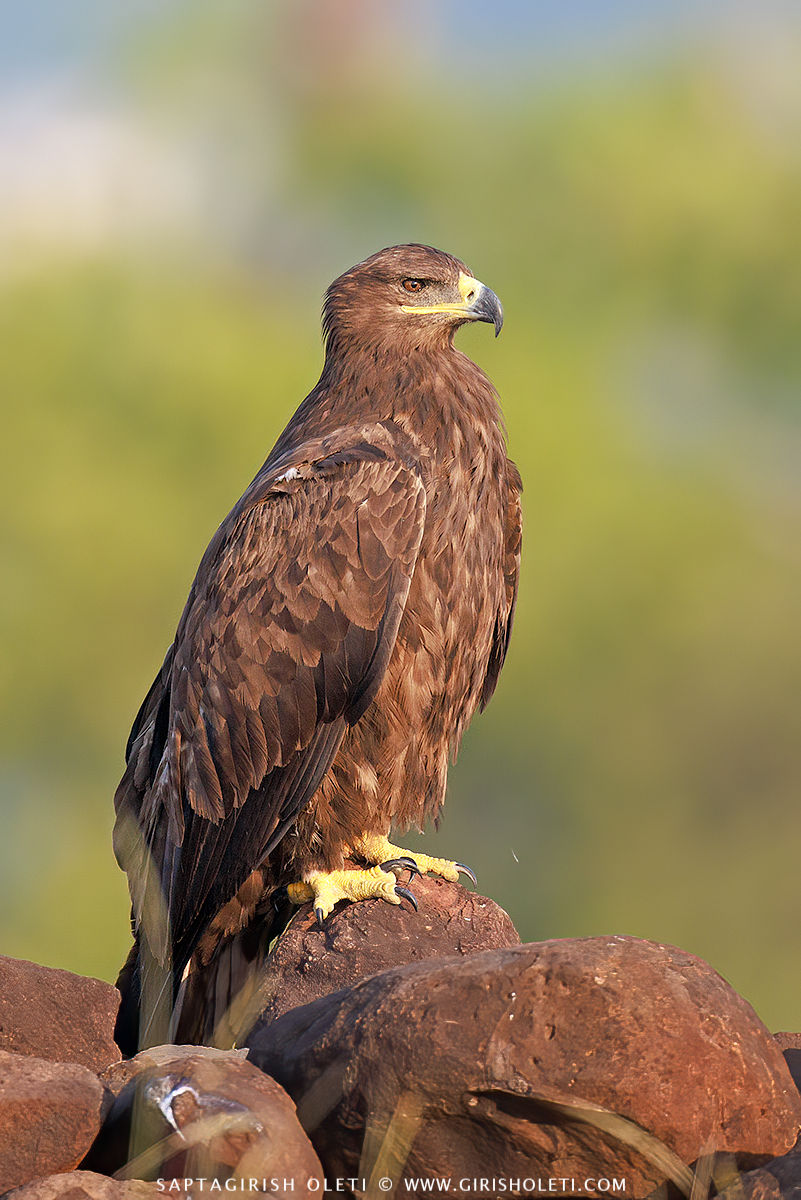
The mornings were mainly about Steppe Eagles and Imperial Eagles. We found them resting on dark rocky outcrops, where their bodies stood out clearly against the softer grass behind them. Some birds sat alone, while others used the same section of rocks. Most of the time they did very little.
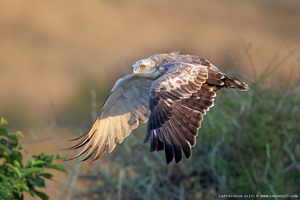
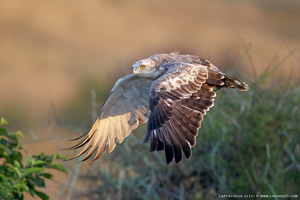
That doesn't mean a perched eagle is easy to ignore. The head keeps turning even when the rest of the bird barely moves, and I waited for those small changes in position. A turn toward the light could be enough to make the frame work. When an eagle finally took off, the width of the wings was much clearer, but then we were back to waiting for another bird to settle close enough.
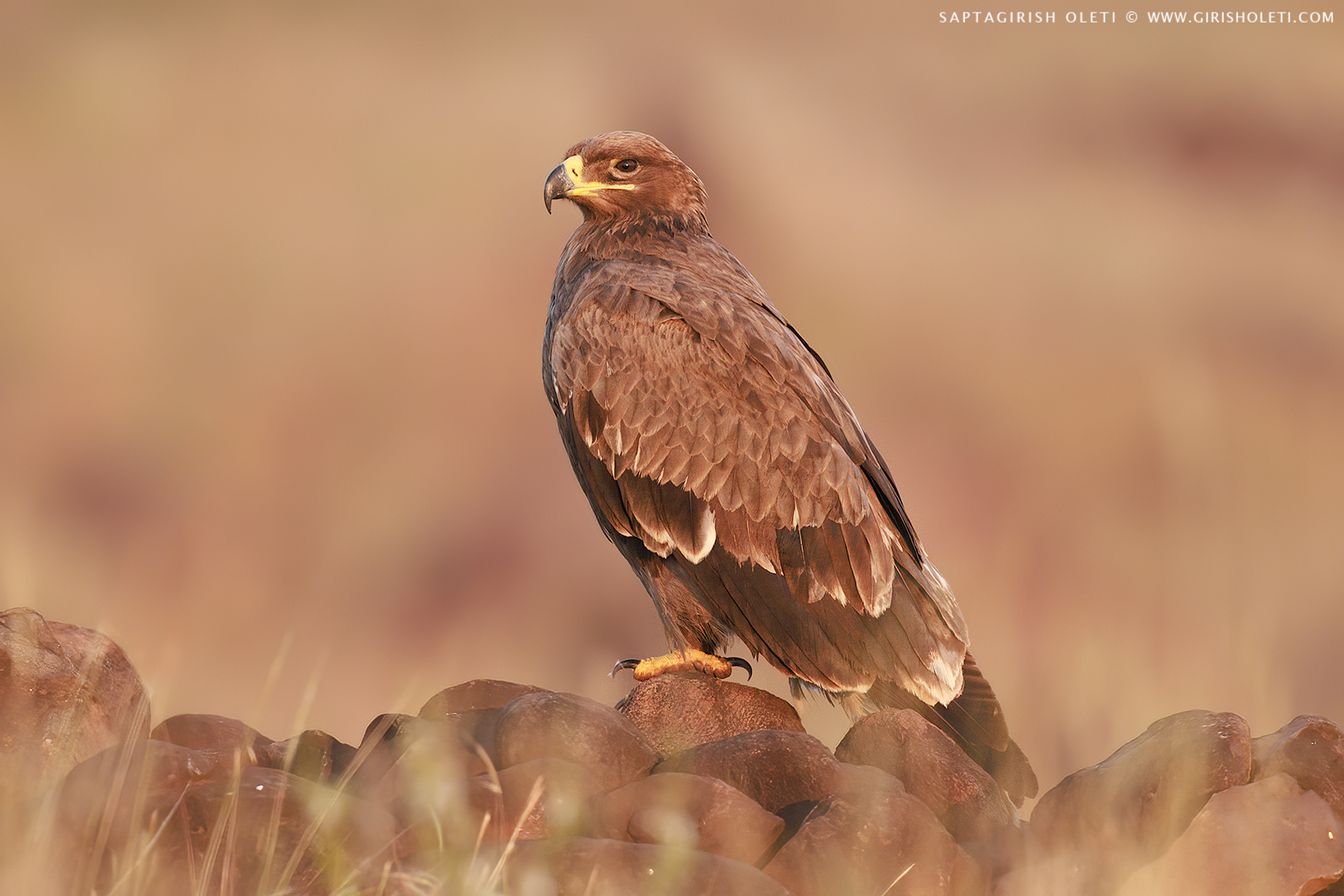
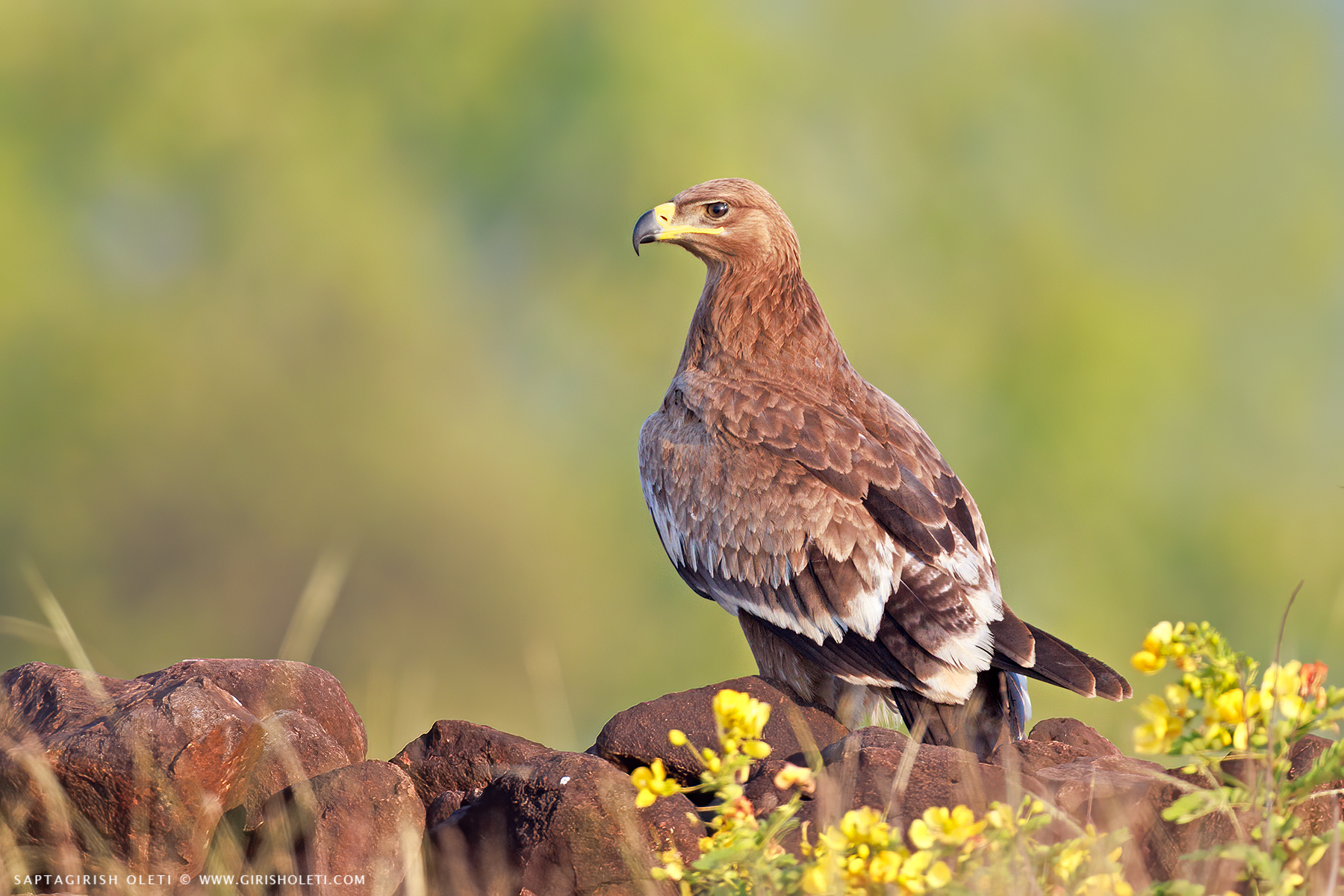
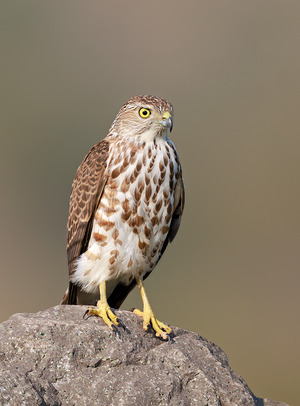
The rocky perches also gave us clean views of individual birds. With the heavier eagles, I wanted the hooked bill and feather detail to show without too much clutter around them. The birds didn't need to take off or call. Standing upright and looking to one side was often enough.
Harriers before the roost
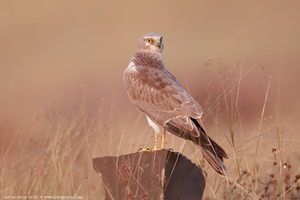
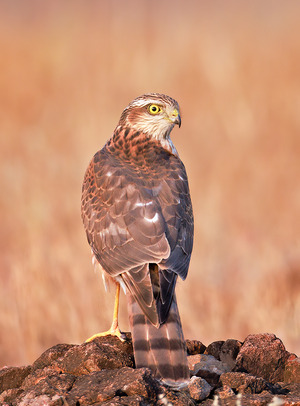
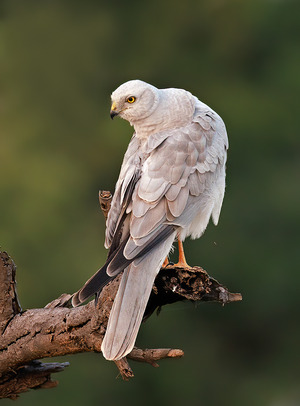
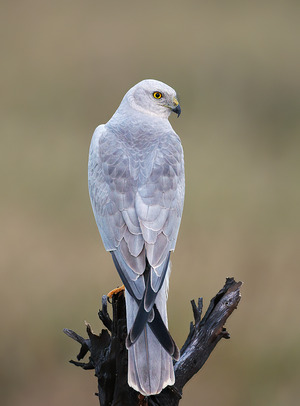
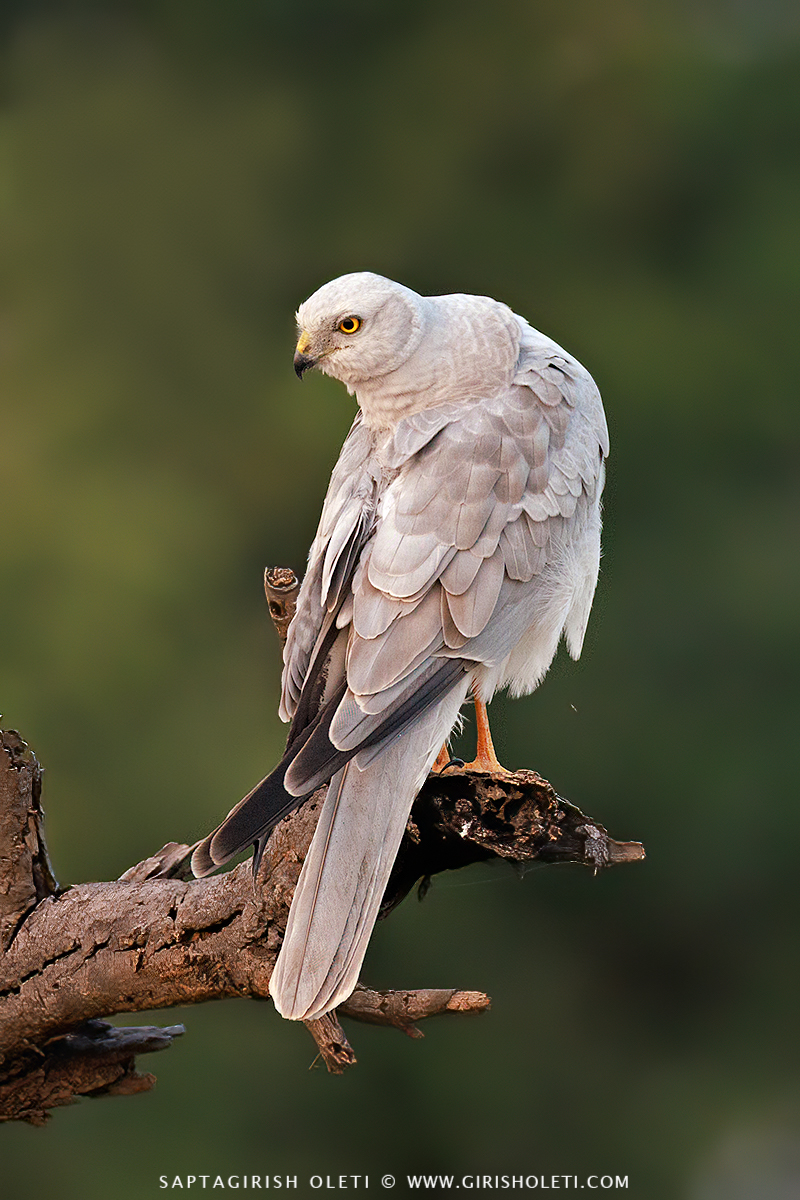
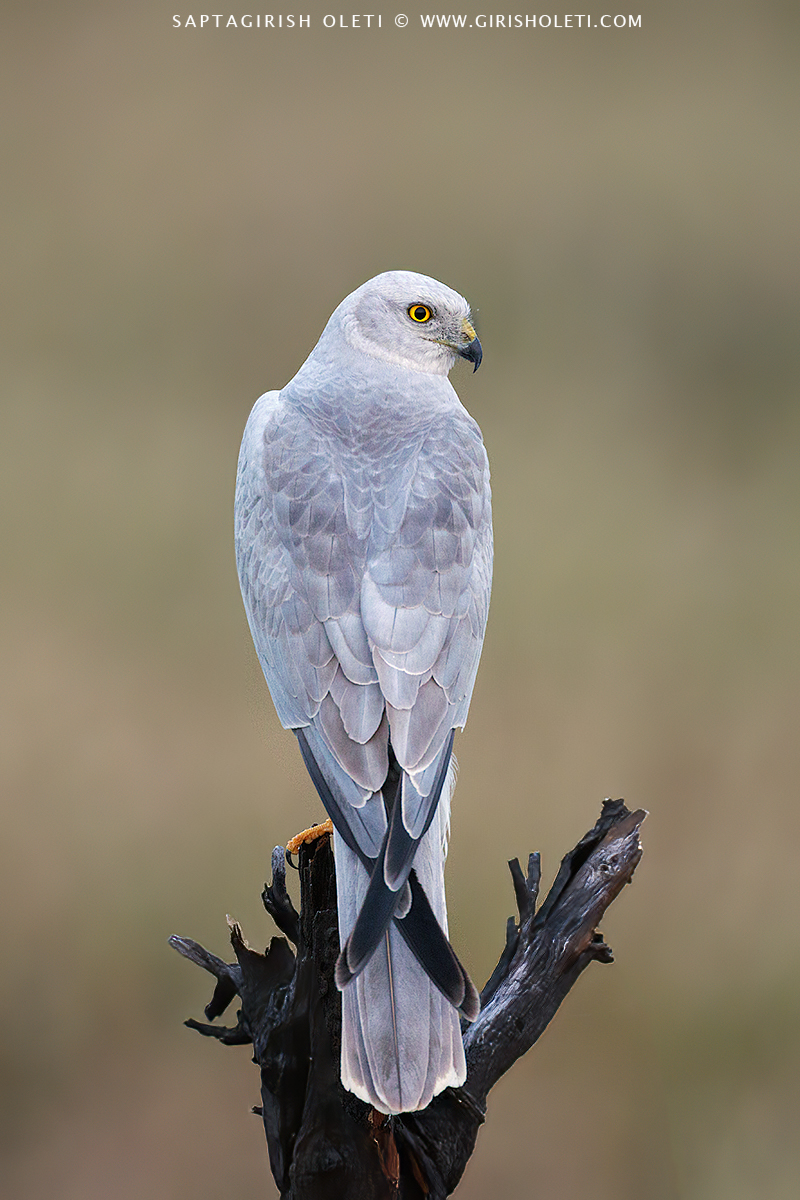
Later in the day we shifted our attention to Pallid Harriers coming into the grassland to roost. Finding one was not always difficult, but keeping track of it after it dropped low was another matter. The pale birds were much easier to follow when they perched above the grass. That was usually when the photographs became possible.
We kept our distance and watched them settle. There was no rush from the birds. Most simply perched, checked the ground around them and waited. The warmer colour of the evening grass also helped separate the pale plumage from the background.
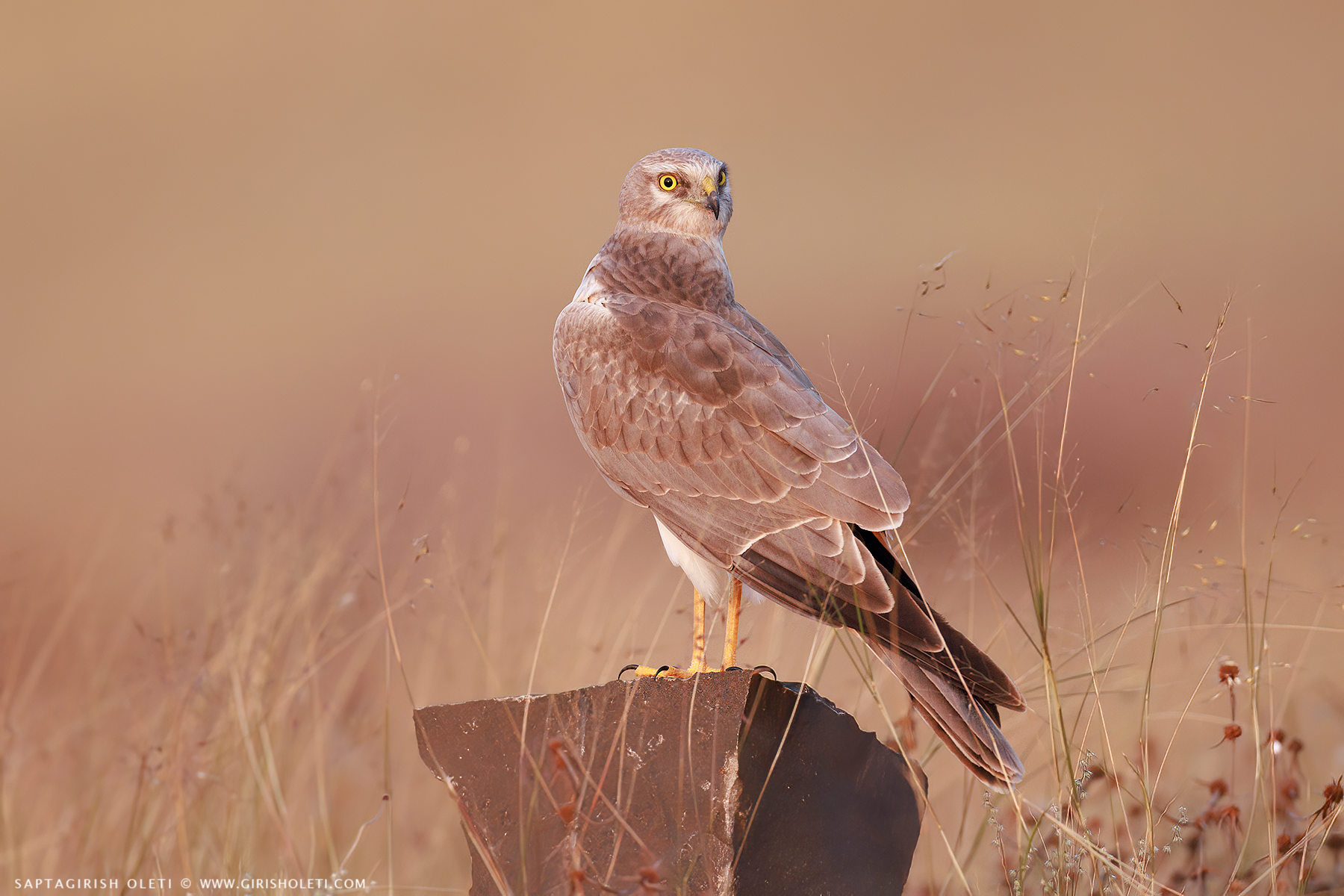
I tried to make both wider frames and closer portraits. The wider view showed the low perch and surrounding grass, which explained where the bird was settling. The closer frames were better for the back, folded wings and fine feather detail. They were different photographs of the same quiet behaviour.
An evening at the backwaters
One evening we went to the dam's backwaters for the Rosy Starlings. The flock gathered in large numbers and kept changing shape in flight. It was completely different from waiting for one perched raptor to move its head. There was too much happening across the sky to follow a single bird.
I watched the flock bunch together, spread out and turn again against the fading light. The children watched the whole thing wide-eyed. In this case the scale mattered more than any individual bird, and still photographs could only show part of it. The movement was the sighting.
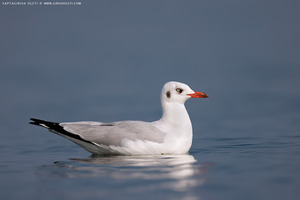
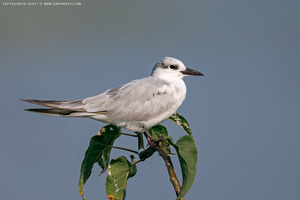
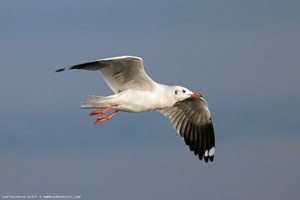
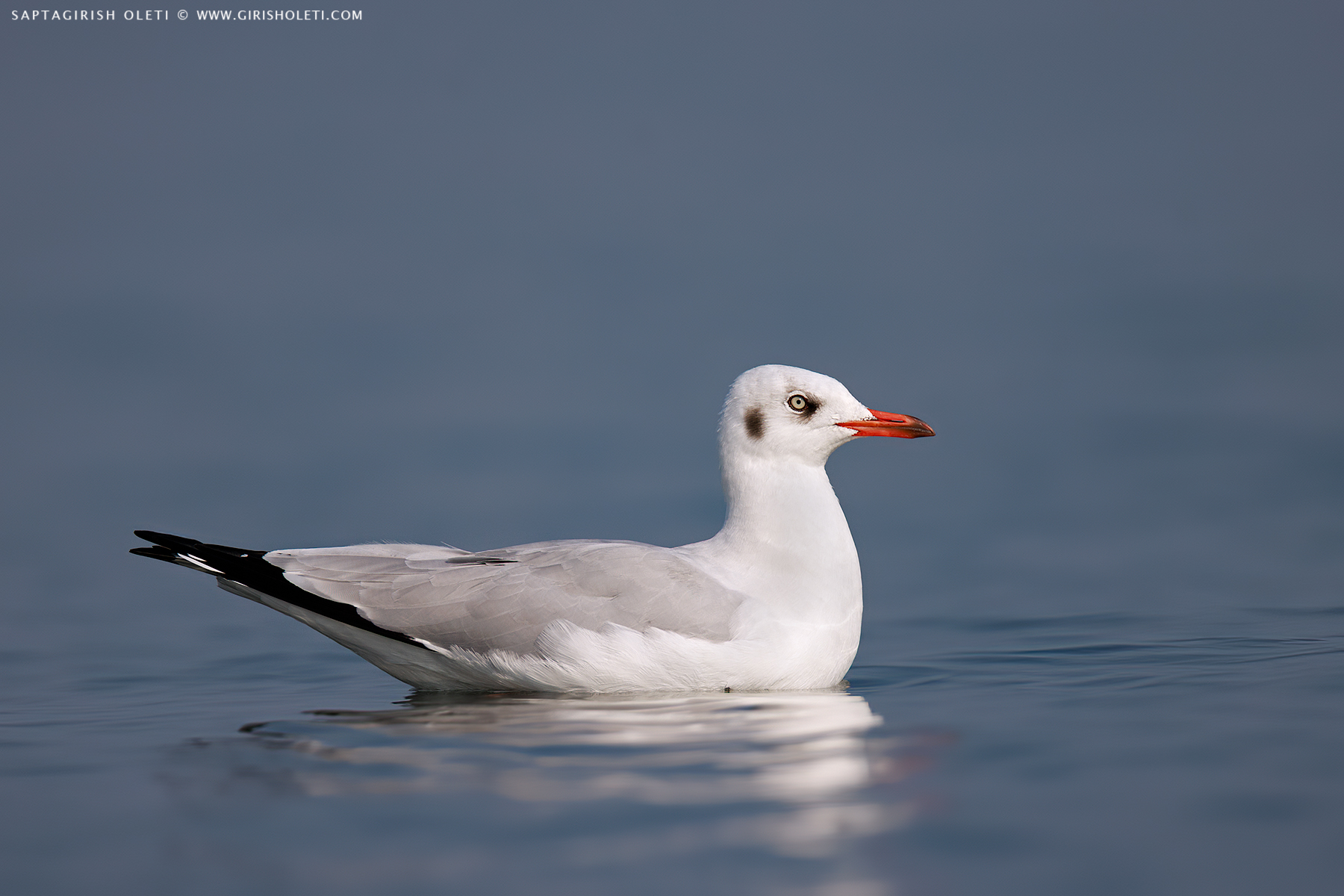
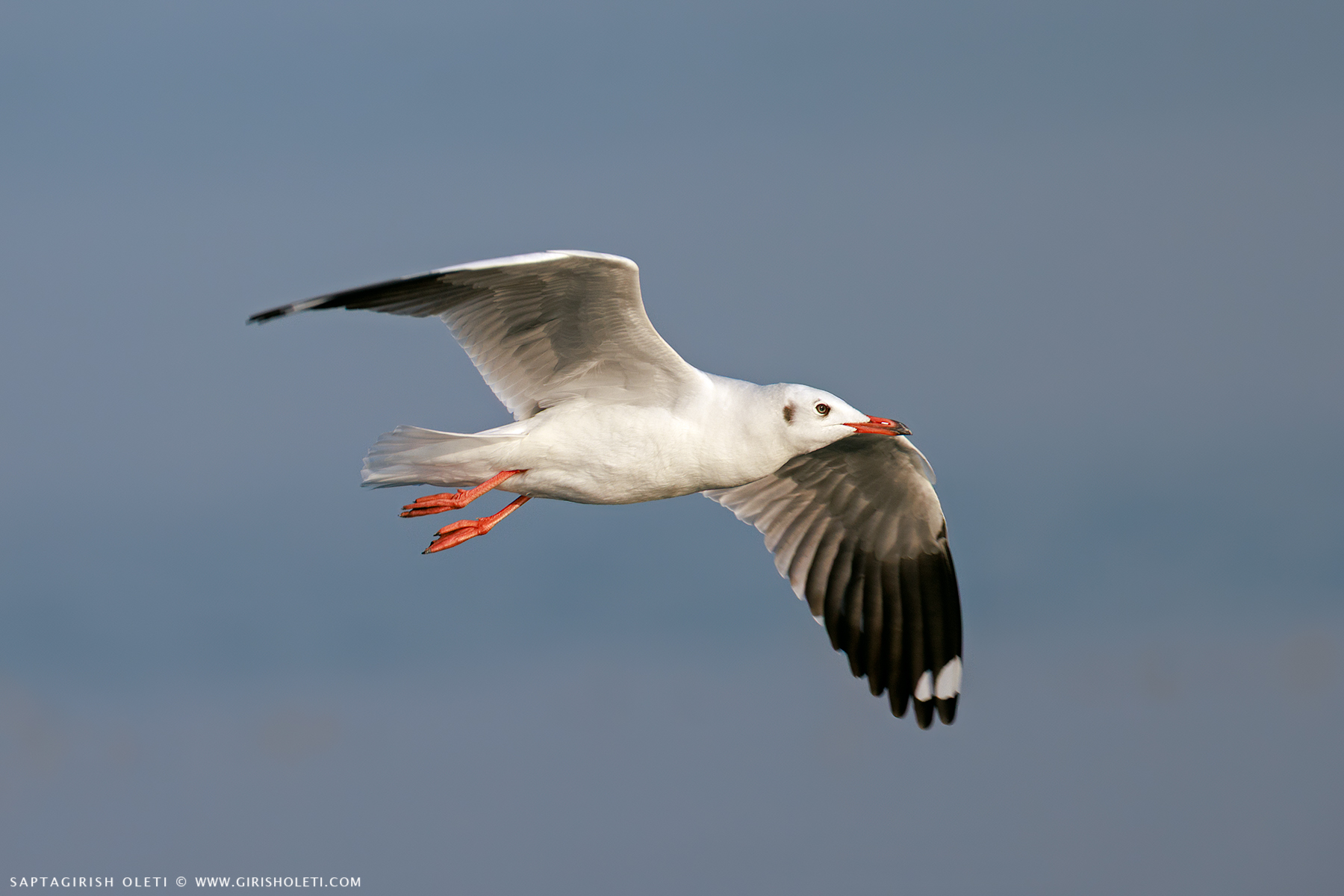
The backwaters also gave us quieter subjects once the flock had passed. Common Black-headed Gulls sat low on the water or crossed in front of us with their wings spread. These were simpler birds to follow after the concentration needed in the grassland. I was quite happy with that by then.
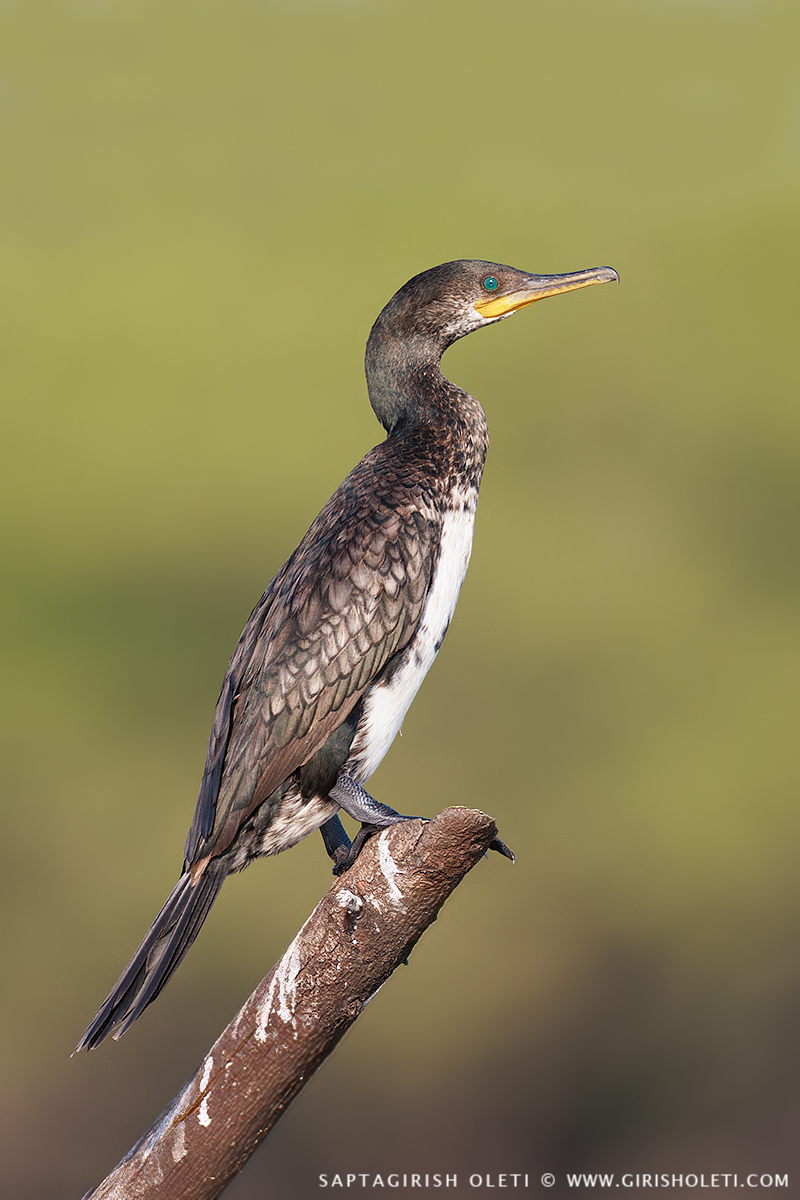
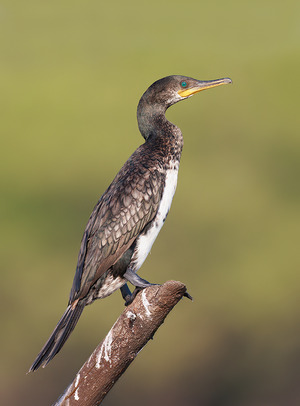
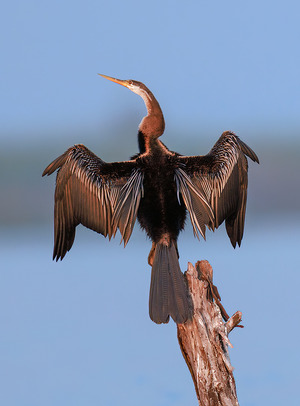
A Great Cormorant used an exposed, angled perch nearby. It stayed put and gave us time for a straightforward portrait. The gulls and cormorant were not the encounters we kept discussing afterward, especially with the wolf in the same trip. They were still part of a normal evening around Bhigwan's water, and we stayed with them as the day wound down.