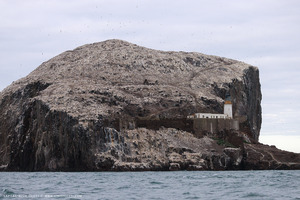
This was an office trip to London and Edinburgh, so photography had to fit around work. Carrying my 600mm lens didn't make much sense, and I took the 100-500mm instead. That was the compromise. I used one weekend around the London parks, spent some time near Holyrood Park and Arthur's Seat, and then managed a boat trip to Bass Rock.
A Misty Morning with the London Deer
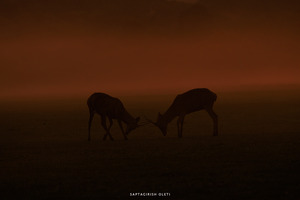
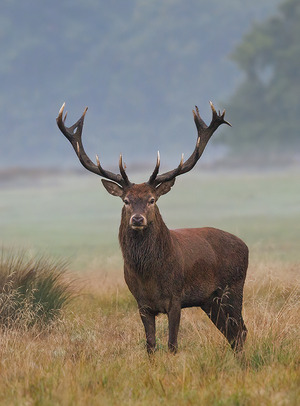
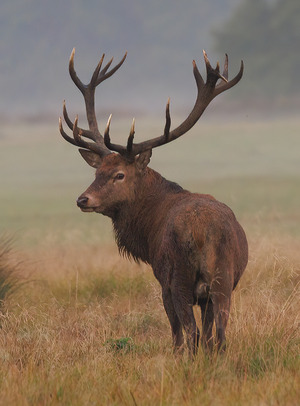
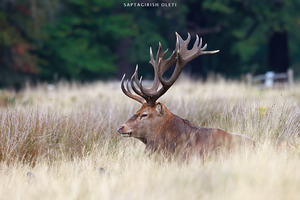
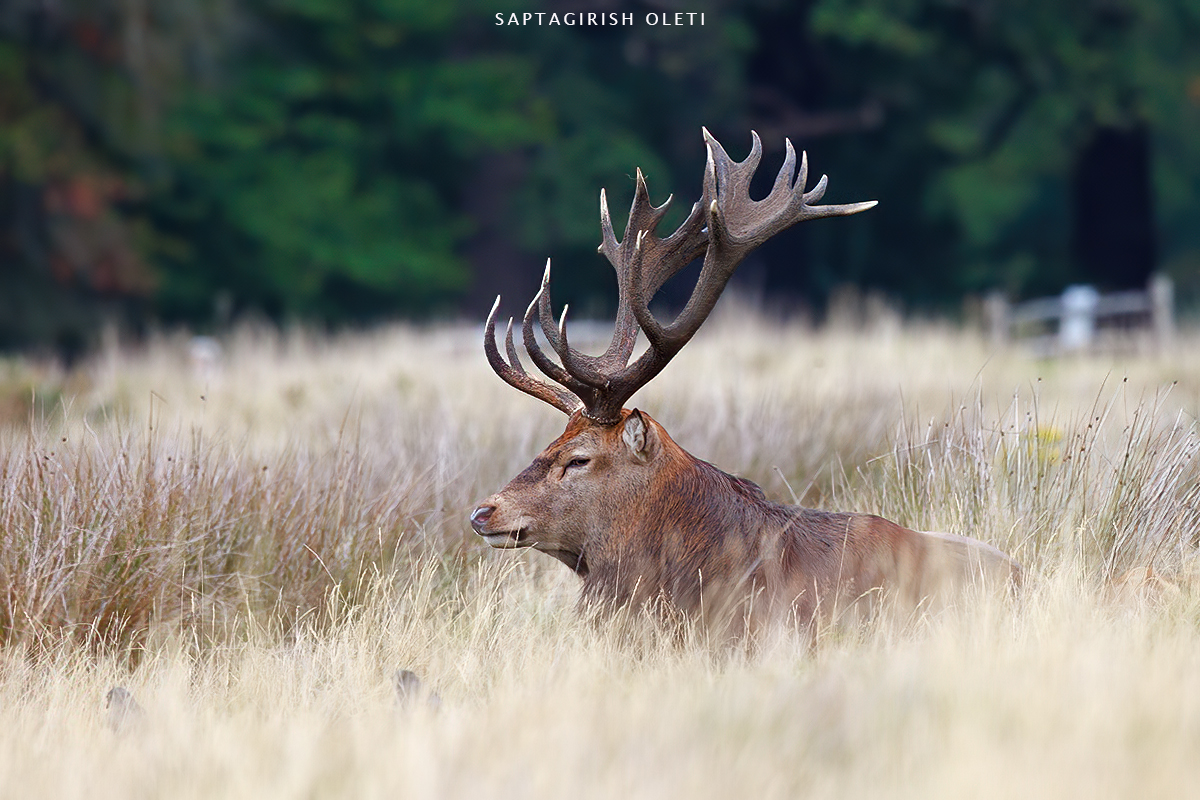
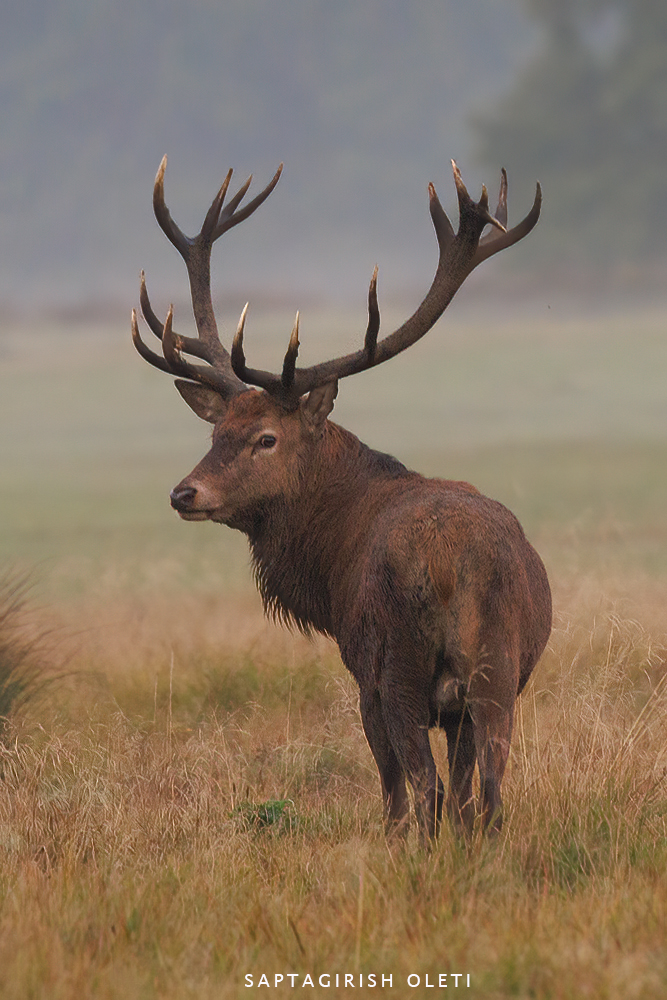
My main plan for the London weekend was to photograph deer, especially red deer during the rut. I was a little early. The deer were there, including some good stags, but the rutting behaviour hadn't really started. No clashes or other action, so I worked with the quieter opportunities I had.
The morning mist helped a lot. It kept the backgrounds simple and gave me a few good chances with animals resting or standing in the grass. The 100-500mm was also much easier to carry on an office trip than the 600mm would have been. I missed the behaviour I had hoped for, but at least I didn't carry the big lens all that way for nothing.
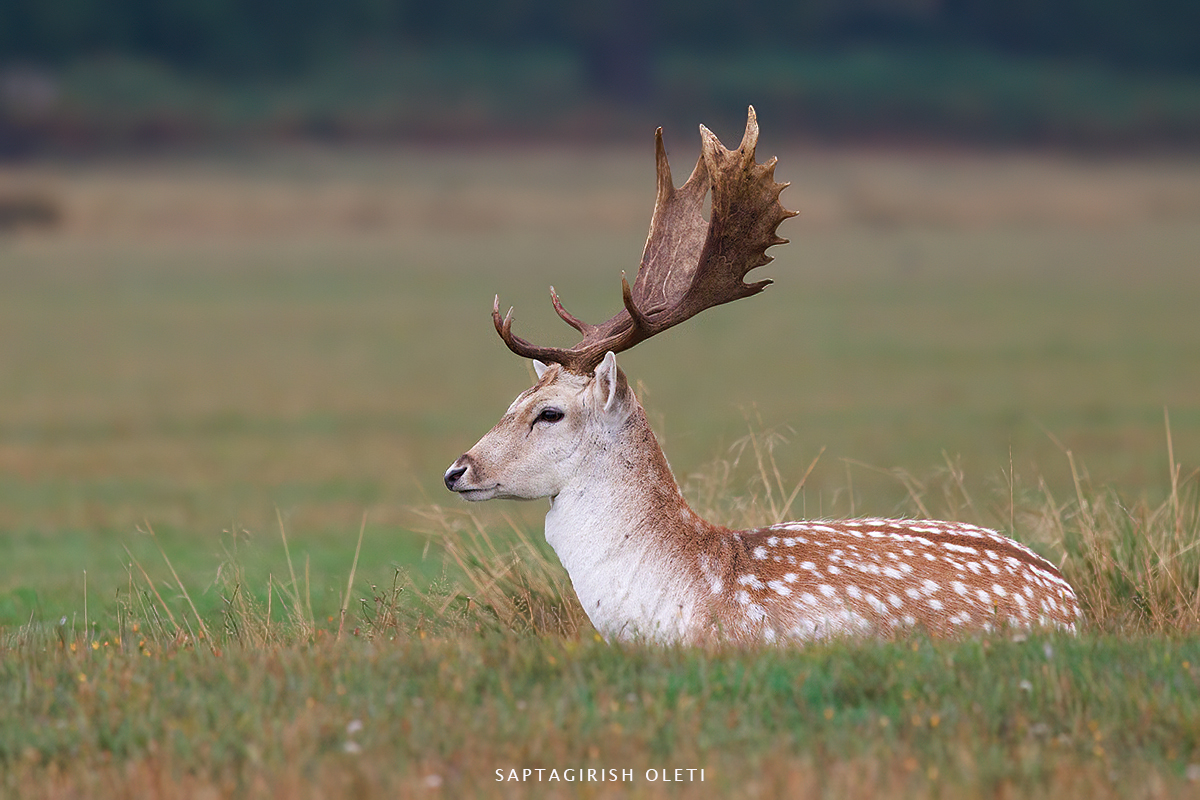
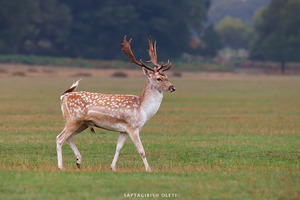
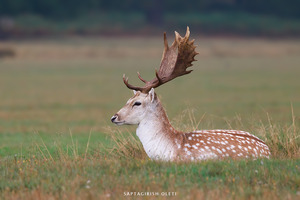
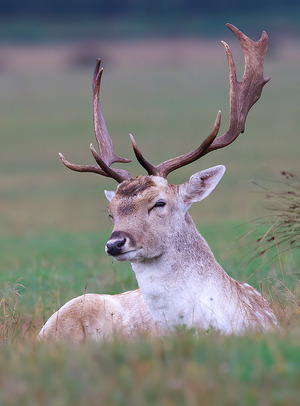
The fallow deer gave me some cleaner views than I expected. One buck stayed low in the grass, while another walked across a much more open patch. These weren't action photographs, but they showed the animals well and gave me time to frame without rushing.
Birds Around Edinburgh
In Edinburgh I spent time around Holyrood Park and Arthur's Seat. The views alone were worth the visit, even before looking for birds. This part of the trip was more casual than the London deer morning. I walked, watched what was around and photographed the birds that came within range.
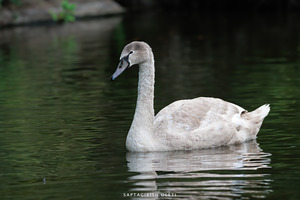
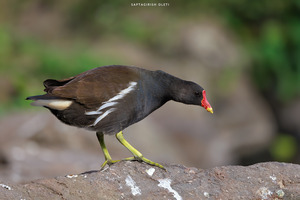
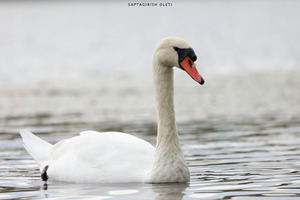
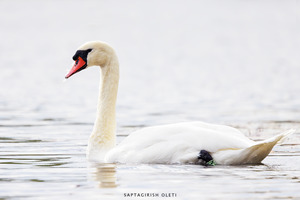
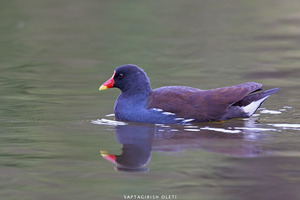
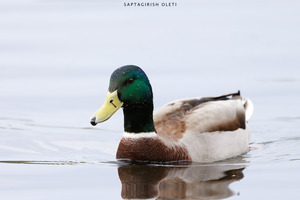
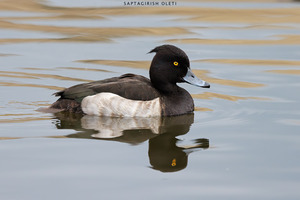
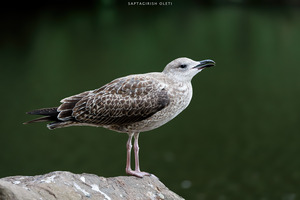
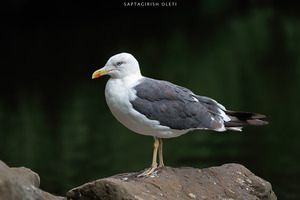
There was a useful mix of familiar water birds and gulls. I photographed great black-backed gulls, mallards, tufted ducks, moorhens and mute swans. Nothing involved a complicated setup. It was mostly a matter of finding a clear angle and waiting for the bird to turn properly.
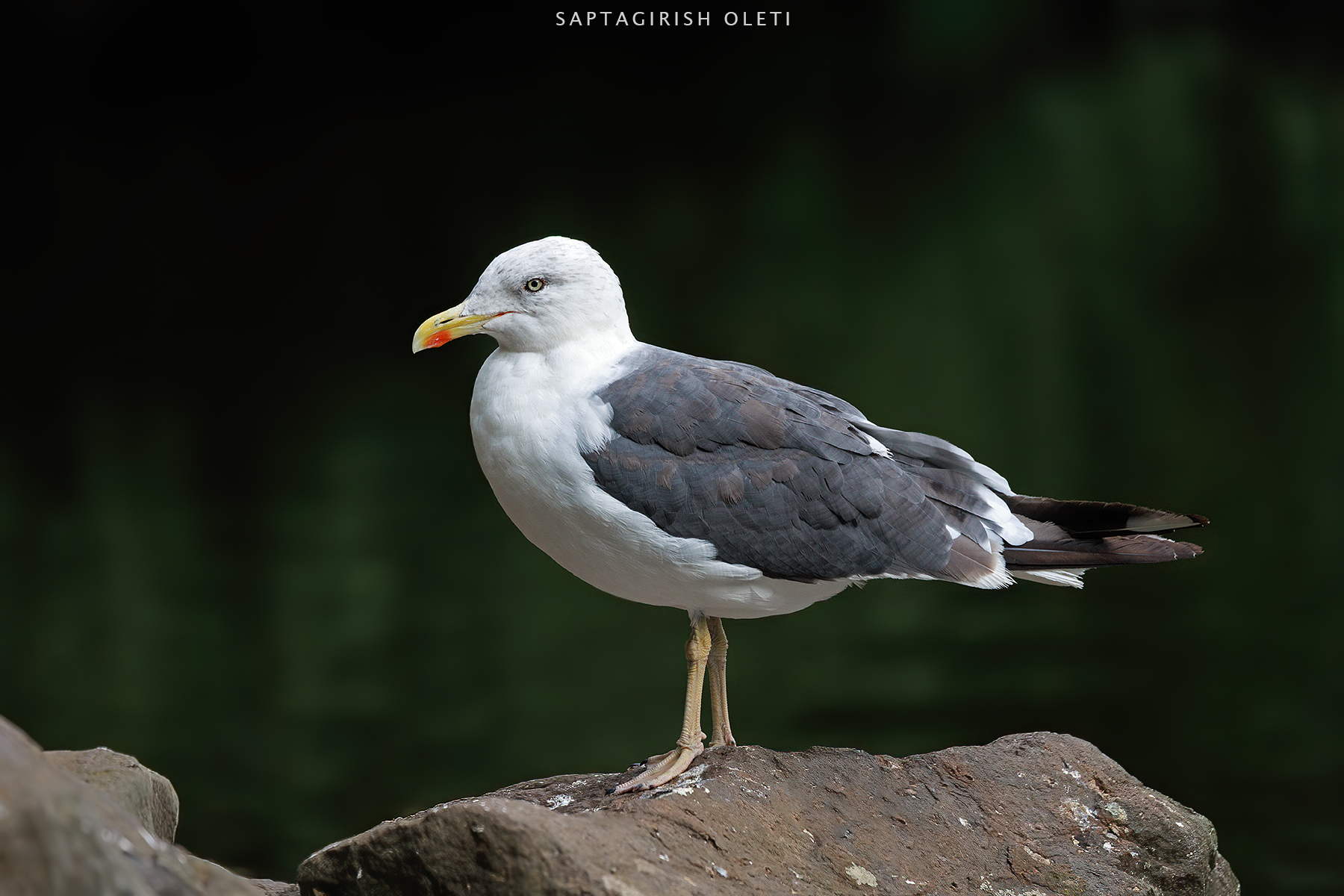
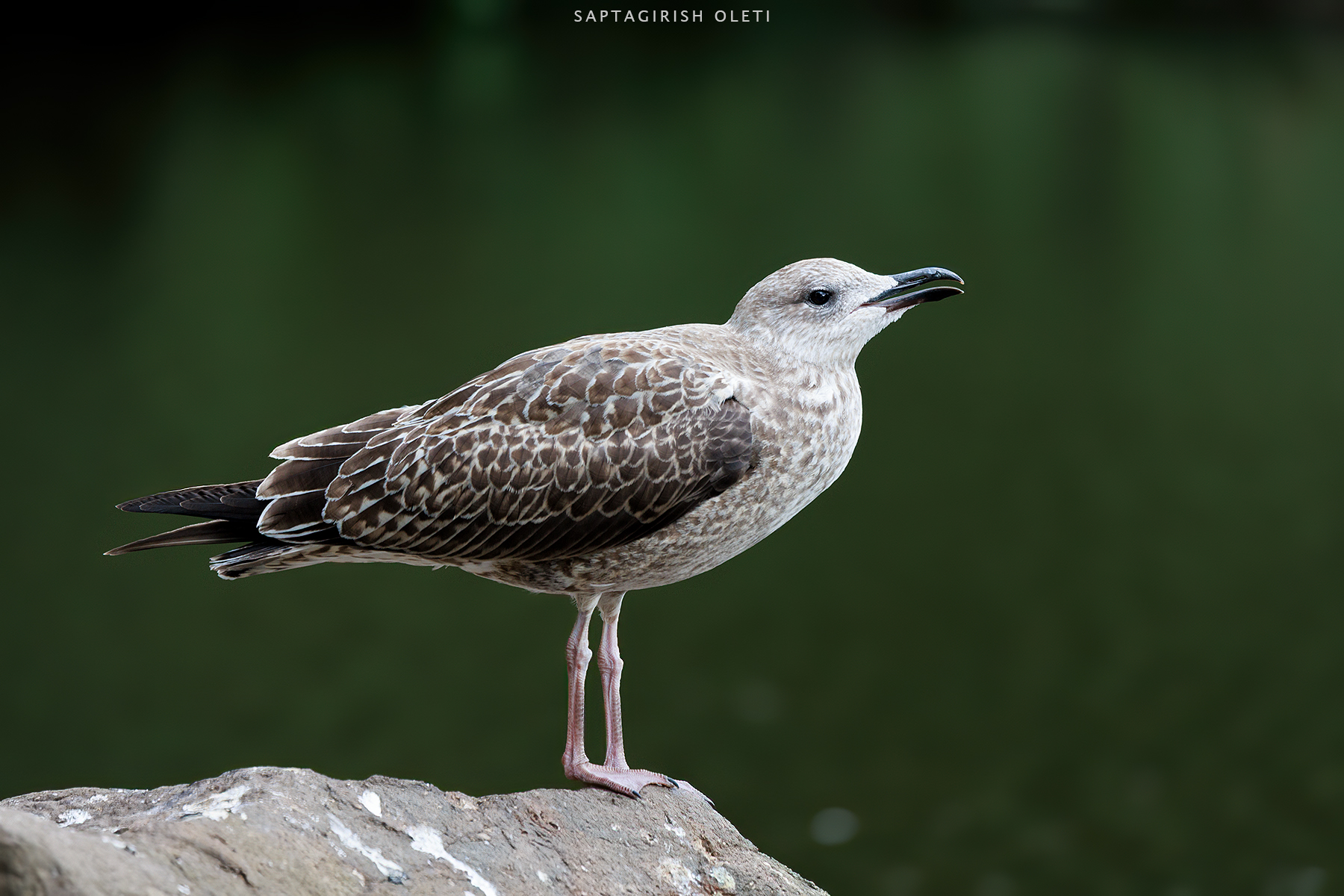
The two great black-backed gulls made a useful comparison. The adult had the dark back and yellow bill, while the younger bird was still covered in brown patterned feathers. Both stood long enough for straightforward side-on photographs, which doesn't always happen with gulls.
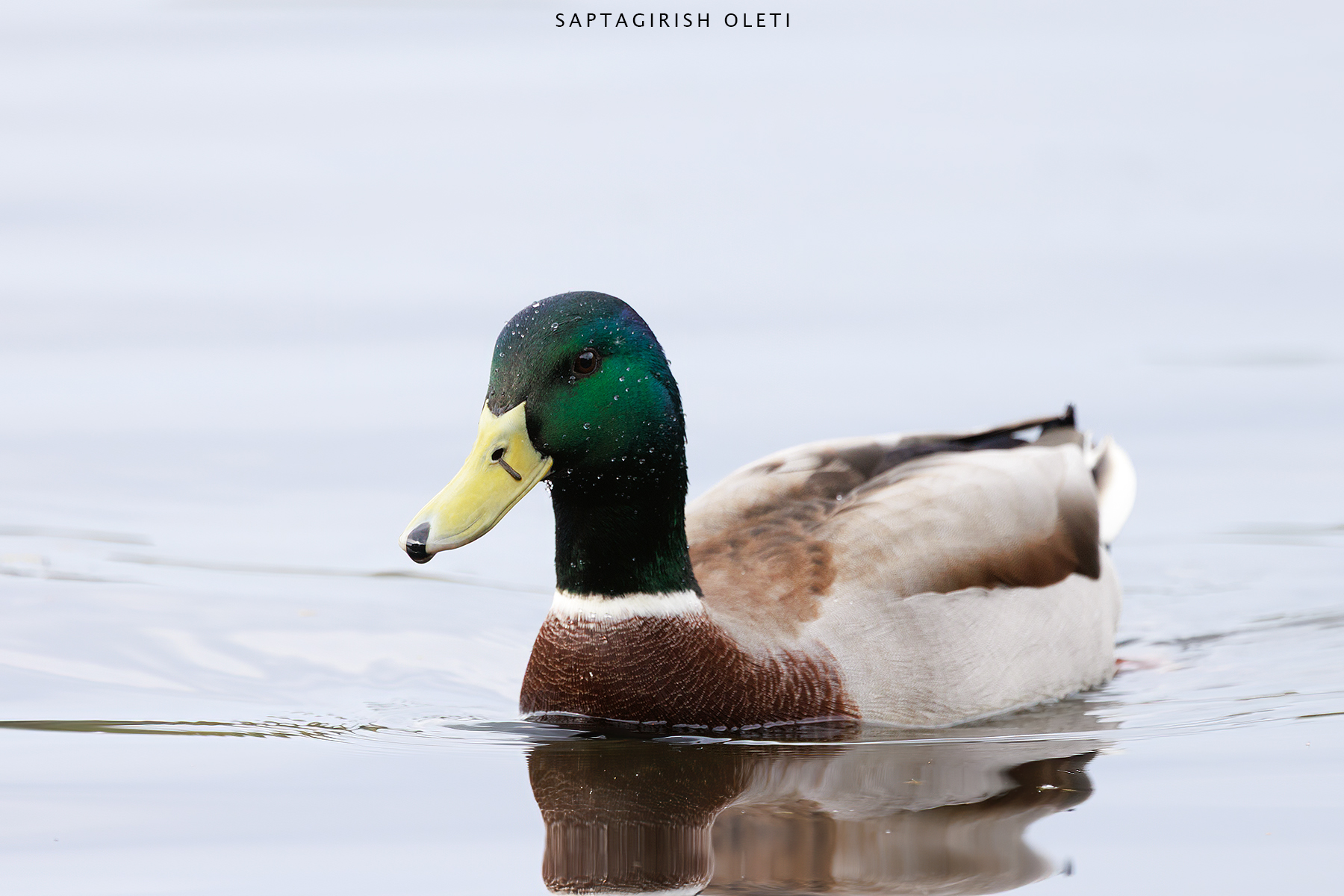
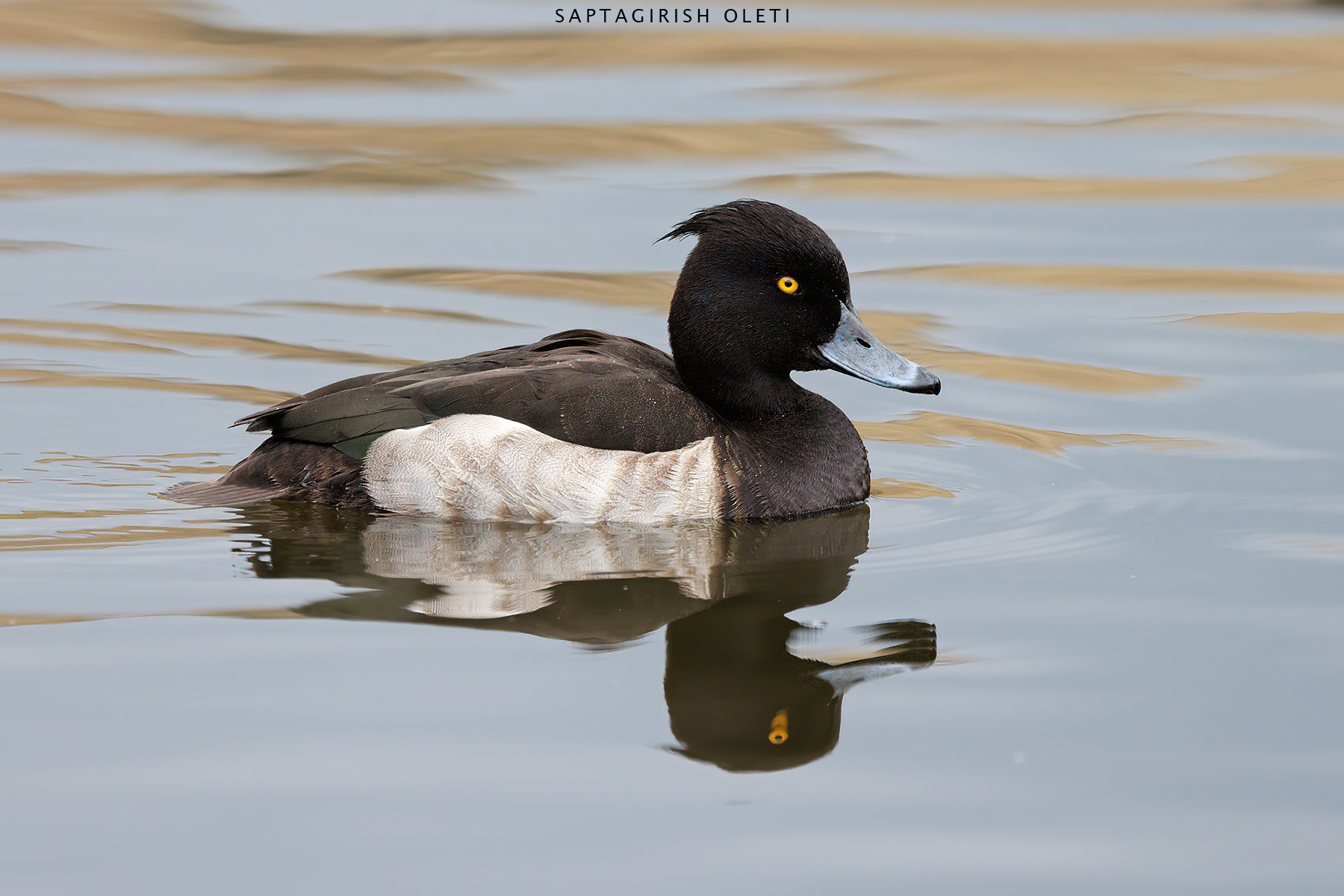
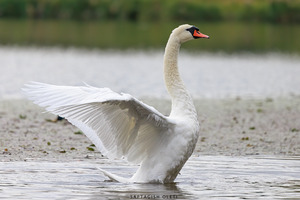
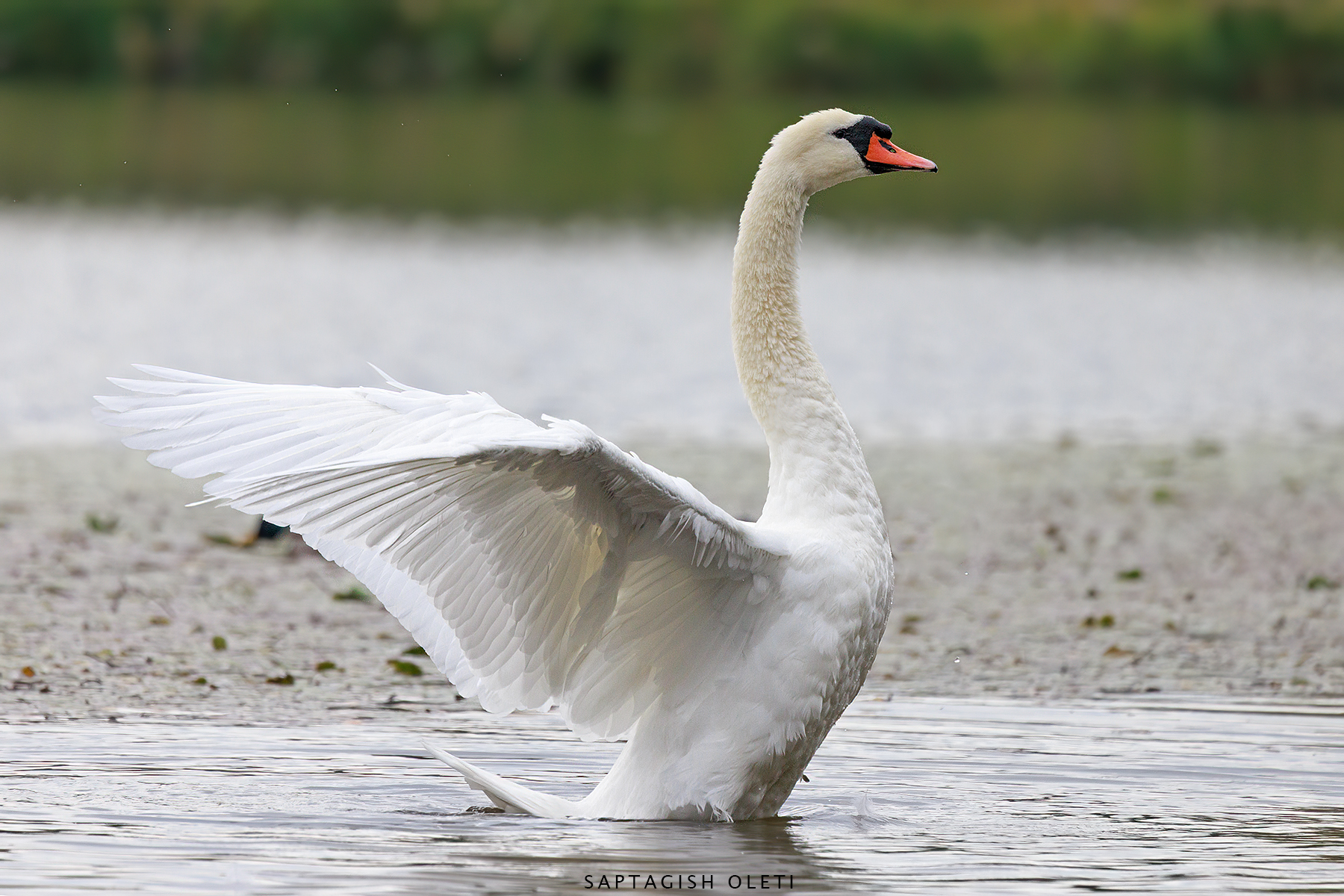
The water birds gave me several simple portraits. A mallard and a tufted duck both passed across relatively calm water, and the muted backgrounds kept the photographs uncluttered. A mute swan later raised its wings in the shallows, which was a welcome bit of movement after the quieter swimming shots.
Bass Rock from the Boat
After Edinburgh I decided to try Bass Rock for northern gannets. I contacted the Scottish Seabird Centre, but their landing trips had already closed for the season. That was disappointing because landing would have provided more control over position and shooting angle. The only option left was the boat trip, so I booked that.
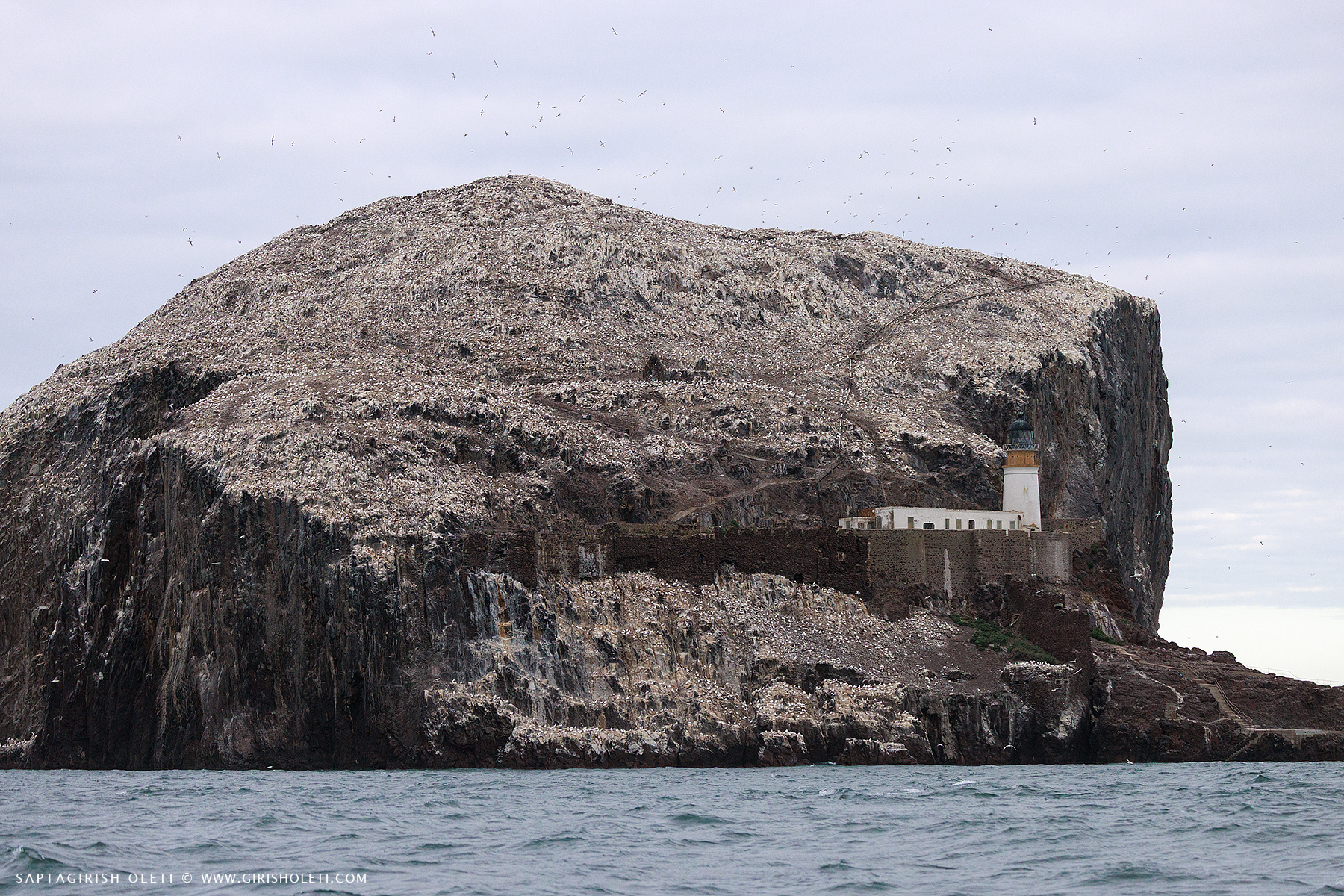
Seeing Bass Rock from the water was still incredible. The rock looked covered in white dots, and every one of those dots was a gannet. There were thousands packed onto one small island. A wide photograph was the best way to show the scale, even though individual birds almost disappear in it.
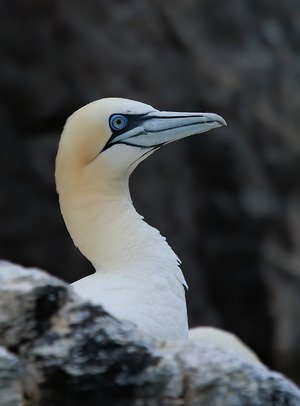
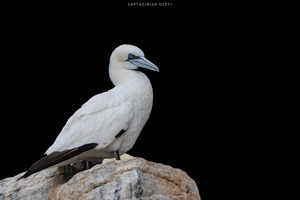
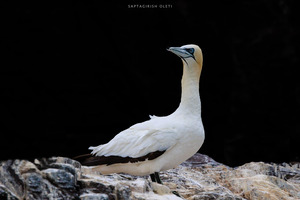
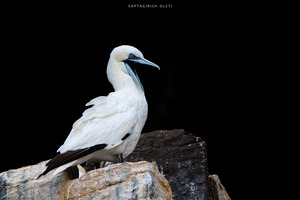
Photographing from the boat was harder than simply seeing the colony. I couldn't choose the angle I wanted, and any useful view only lasted while the boat was in the right position. Still, a few birds were separated against the dark rock behind them. Those frames worked much better than the busier views of the colony.
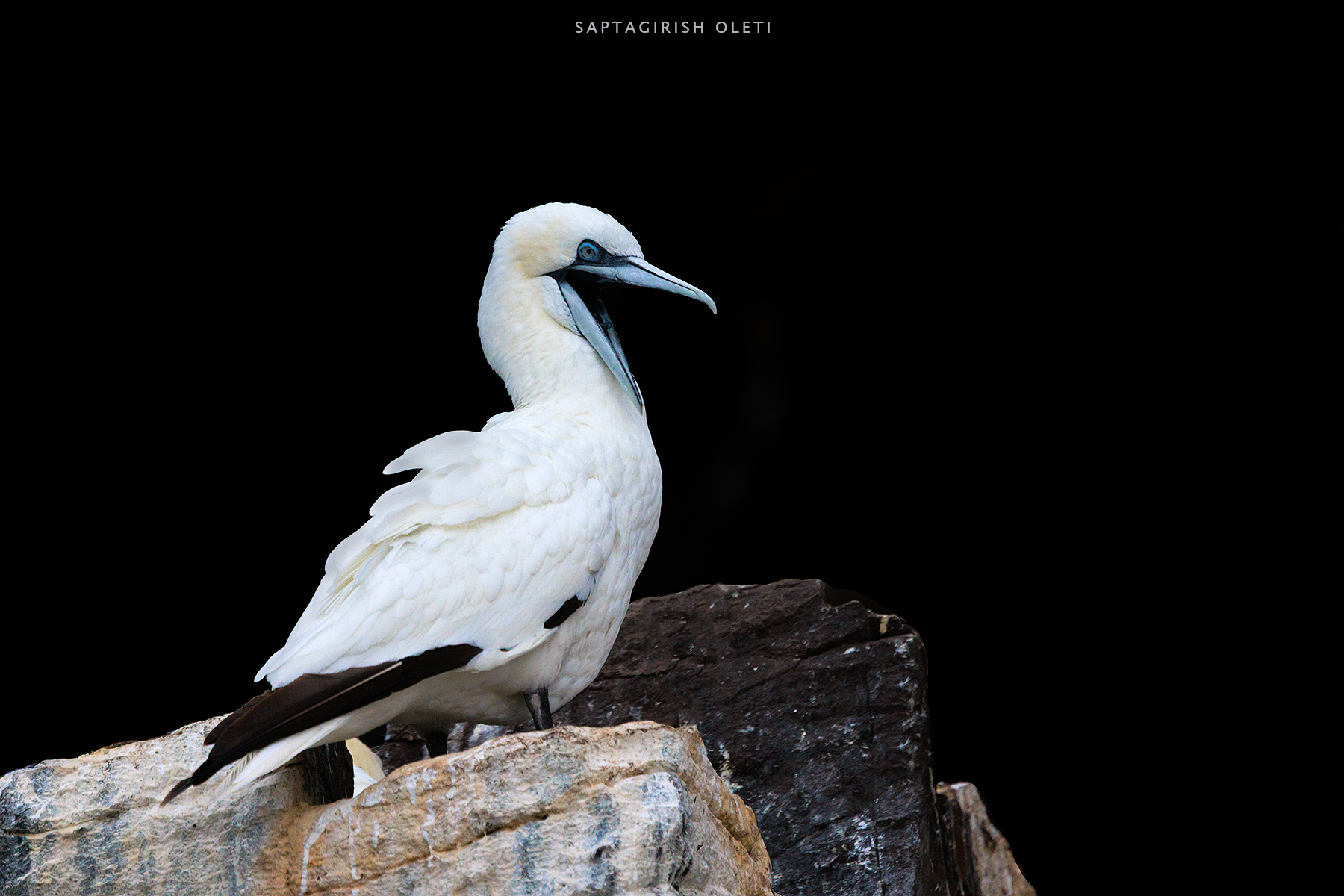
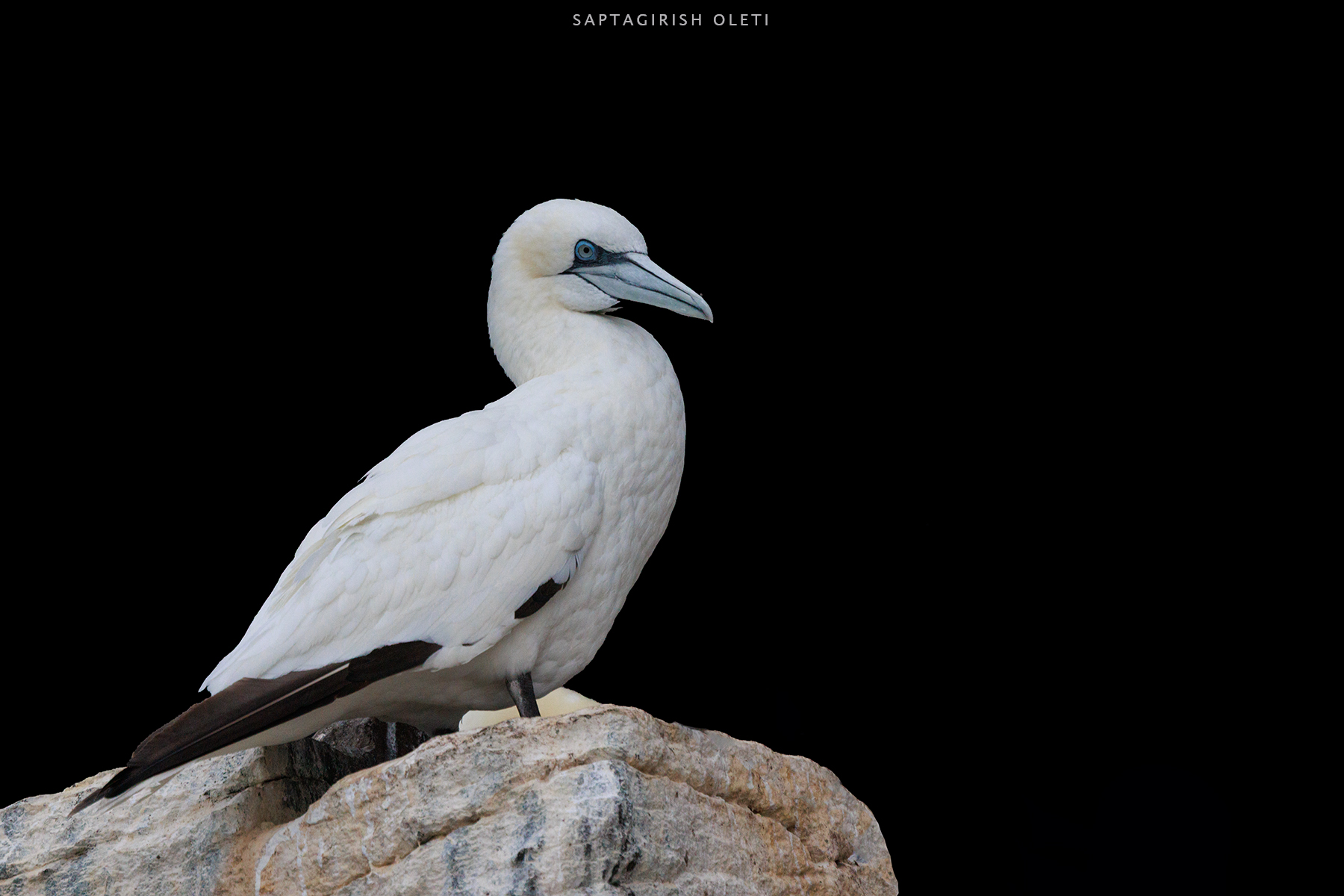
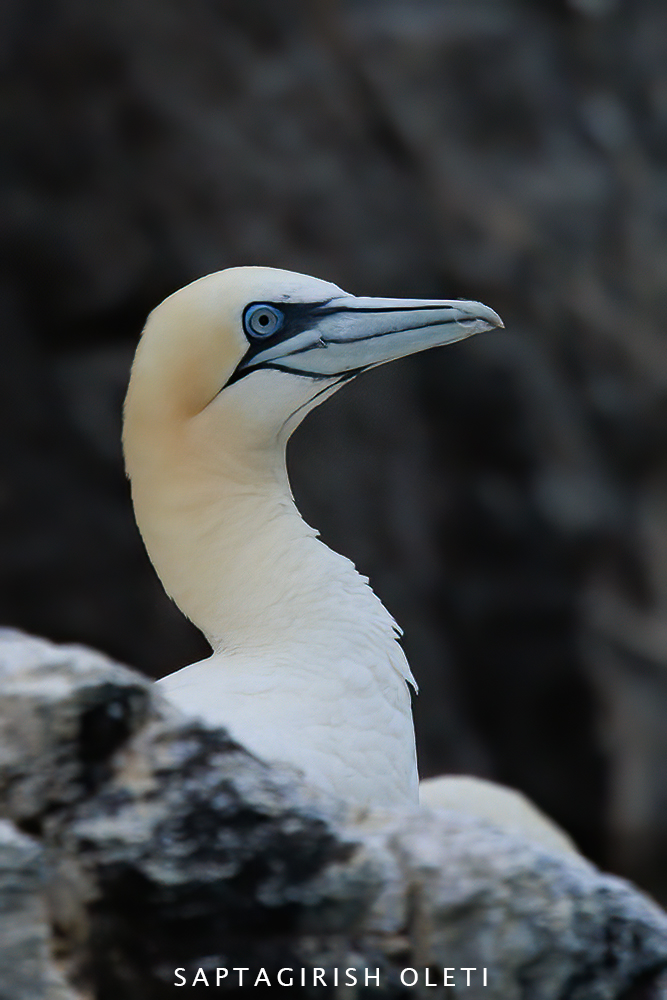
The dark background also made the white plumage and blue eye stand out. I managed one closer portrait with the head and bill clear above the foreground rocks. It wasn't the range of angles I would have had after landing, but it was one of the better results from the boat.
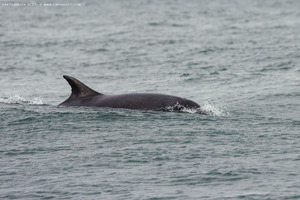
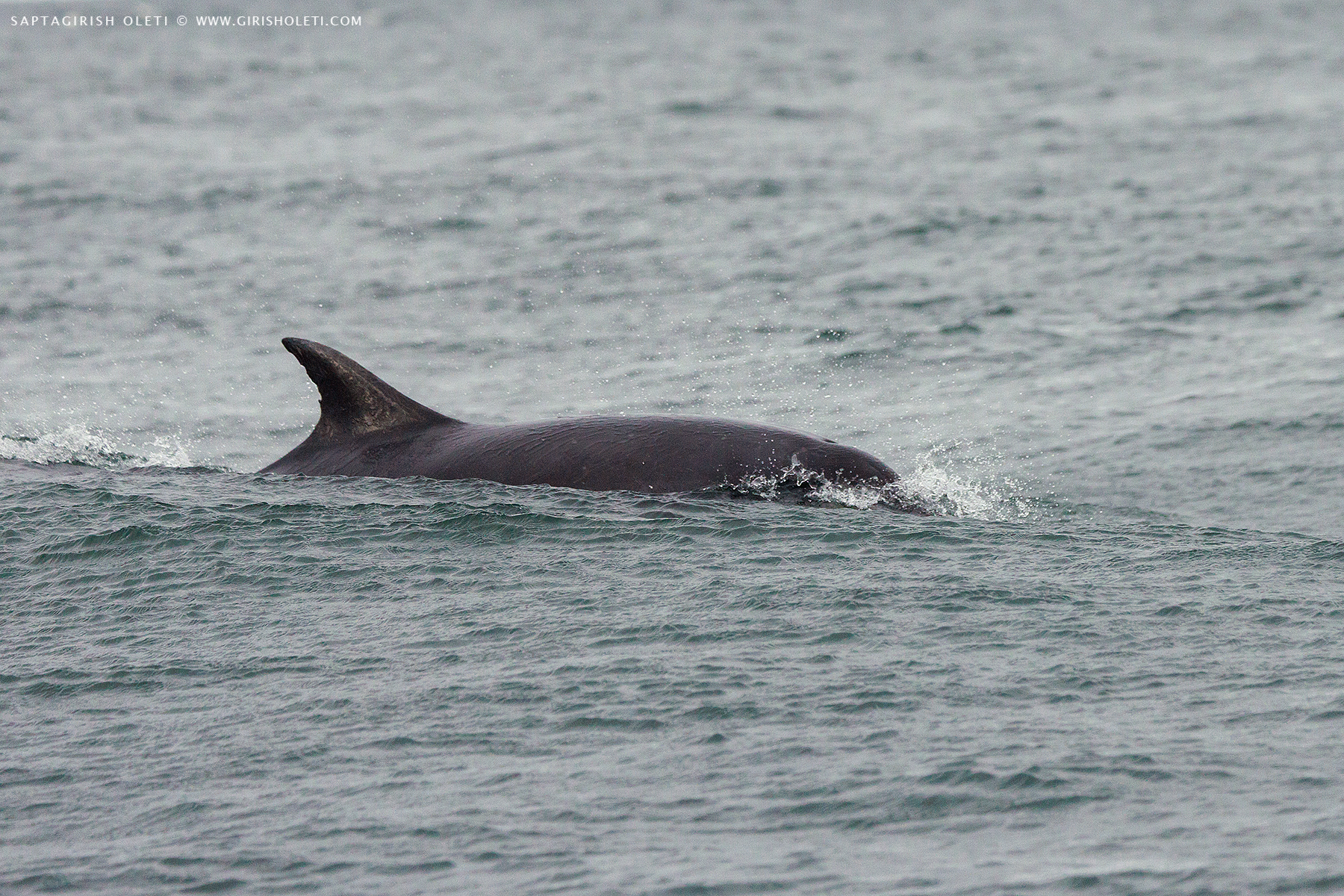
The trip had one more surprise. A group of five bottlenose dolphins accompanied the boat for most of the journey, and they were jumping alongside us. Following them with the camera from a moving boat wasn't easy. I caught one surfacing cleanly, with the back and dorsal fin above the water.
I would still like to return when the landing trips are running. Photographing from shore on the rock should give more time and better angles than the boat allowed. This time I had to accept what came past and work quickly. Next time, better luck.